Advertisement Feature
In today’s fast-paced world, finding meaningful ways to connect as a family can be challenging. Busy schedules, screen time, and daily commitments often get in the way of shared experiences. Yet, amid these challenges, one of the most enjoyable and beneficial habits a family can cultivate is exercising together. Family fitness goes beyond keeping active—it nurtures stronger bonds, builds lasting memories, and empowers each member to lead a healthier lifestyle.
Engaging in fitness activities as a family can be simple, fun, and adaptable to all ages and fitness levels. Whether indoors or out, in large or small groups, these activities provide opportunities for laughter, learning, and encouragement. This article explores a variety of family fitness activities, their benefits, and helpful tips for keeping everyone motivated and involved.
The Benefits of Family Fitness
Family fitness does not just improve individual health; it enriches relationships and fosters positive habits. Exercising together helps children view physical activity as enjoyable, setting them up for a lifetime of good health. Parents can serve as role models, learning and laughing alongside their children. Shared achievements—no matter how small—build confidence and mutual respect.
Families also benefit from improved communication and teamwork skills. Cooperative activities teach problem-solving and patience, while light competition can spark motivation and boost self-esteem. The mental health advantages of shared exercise are significant, reducing stress and anxiety for both adults and children.
Outdoor Fitness Adventures
Exploring Nature Together
Spending time outdoors is one of the easiest and most rewarding ways to stay active as a family. Nature walks and hikes are excellent options, allowing members to disconnect from screens and connect with the natural world. Local parks, forests, and coastal paths often have walking trails suitable for all ages. Along the way, families can spot wildlife, collect interesting leaves or stones, and take photos to create a nature diary.
Cycling is another outstanding outdoor activity. Many communities have bike paths or safe cycling routes, where family members of various skill levels can ride together. For younger children, trailers or child bike seats provide a safe and comfortable way to participate. Planning a picnic as a halfway point on a cycling adventure adds excitement and gives everyone something to look forward to.
Games such as rounders, football, or frisbee in a park or garden help develop coordination and offer opportunities for teamwork. Even a simple day at the beach, building sandcastles, playing tag near the water, or dipping toes in the sea, contributes to cardiovascular health and muscle development.
Adventuring Beyond the Local Park
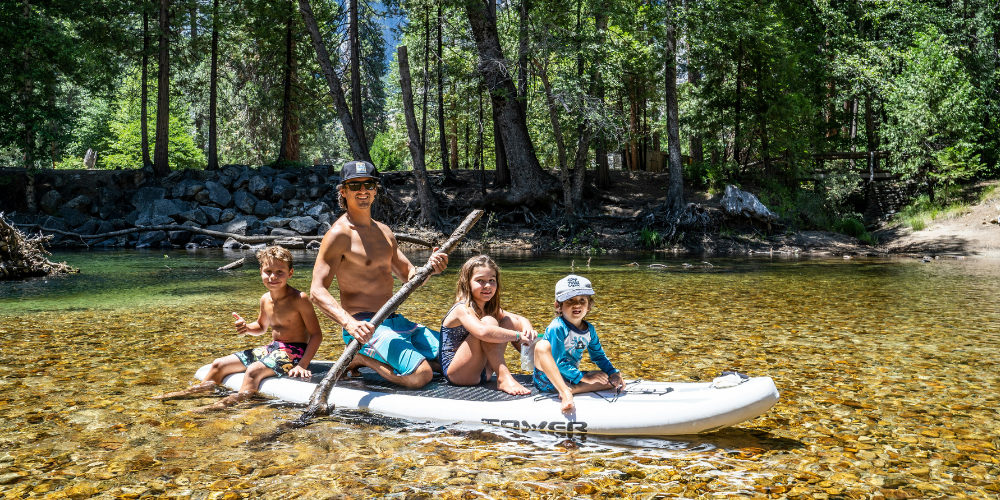
If families want to try something new, geocaching offers a modern-day treasure hunt using GPS devices or smartphones. This activity promotes walking, problem-solving, and a sense of adventure as participants seek hidden caches in their area. Family canoeing or paddleboarding days on a calm lake or river are also memorable and provide a full-body workout, always with appropriate safety gear
For the more adventurous, a family camping trip combines walking, swimming, games, and even obstacle courses among tents and trees. Even gardening together—digging, planting, or weeding—counts as light exercise and encourages everyone to spend time outdoors.
Indoor Fitness Fun
Rainy Day Activities
On days when the weather prohibits outdoor adventure, indoor activities provide just as much opportunity for movement. Family dance parties are a popular choice; turn up the favourite tunes and dance around the living room. Not only does this get everyone moving, but it also lifts spirits and encourages creativity.
Home obstacle courses, using cushions, chairs, and blankets, test balance and agility while sparking laughter. Setting up stations around the house—jumping jacks in the kitchen, hopping on one leg in the hallway – creates a circuit that suits all ages. These activities require little equipment and adapt easily to the available space.
Group Sports and Active Games
Indoor sports centres or local gyms often offer family sessions, from swimming to badminton. Swimming together not only improves fitness but also teaches children vital water safety skills. The pool environment allows everyone to work at their own pace and have fun at the same time.
Classic games like hide-and-seek, musical statues, or hopscotch bring back childhood favourites and are easily accessible in small spaces. Board games that incorporate activity—such as those prompting dancing or impersonations—merge entertainment and exercise seamlessly.
Creative and Seasonal Activities
Fitness through Creativity
Physical activity does not always have to take the form of traditional exercise. Creative pursuits such as learning a group dance routine, putting on an at-home talent show, or re-enacting a favourite film scene get everyone up and moving. Scavenger hunts, whether inside or out, keep legs moving and brains engaged as family members work together or compete to find hidden objects.
Celebrating the Seasons
Each season offers unique opportunities for family fitness. In spring and summer, outdoor swimming, rounders, and water balloon games provide cool relief while encouraging movement. Autumn brings nature walks through colourful leaves, while communal raking or tidying the garden can be surprisingly effective workouts. In winter, if snow falls, building snowmen, sledging, or even staging a friendly snowball fight keeps hearts pumping.
For families in urban areas, exploring local museums or attractions on foot—or taking part in community fun runs and charity walks—combines fitness with cultural enrichment and fosters a sense of belonging.
Tips to Keep the Family Motivated
Maintaining enthusiasm for family fitness requires flexibility and creativity. Setting achievable goals, such as walking a certain number of steps each week or learning a new sporting skill together, helps provide structure and a sense of purpose.
Celebrate progress, no matter how small, and appreciate the time spent together rather than focusing solely on outcomes.
Including everyone in planning ensures that all interests and abilities are considered. Let each family member take turns choosing activities or suggesting new challenges. Adapt plans as needed; what matters most is participation and enjoyment.
Prioritise safety by choosing age-appropriate activities, using suitable equipment, and staying hydrated. Encourage each other, but respect personal limits to avoid frustration or injury.
Conclusion
Committing to family fitness is one of the most rewarding choices a household can make. Regular activity together fosters closer relationships, instils lifelong healthy habits, and enriches both physical and mental well-being. The most important ingredient is enjoyment—finding activities that suit everyone and make movement feel less like a chore and more like a celebration.
Whether embarking on a woodland adventure, dancing around the living room, or trying a new sport, families gain far more than improved fitness. They create cherished memories, learn valuable life skills, and share in each other’s successes. By prioritising time together through movement, families not only grow stronger but also happier, healthier, and more resilient.