Advertisement Feature
Among the world’s very special experiences is a trip through Indonesia’s Komodo Islands. Though most visitors plan their trip to observe the mythical Komodo dragon, they are amazed to discover it’s an active mosaic of culture, nature, and heritage.
Among volcanic mountains, the sea of water and coral, and island villages that warm the air, this far-flung corner of Indonesia has a more complex, richer tale to tell, one where ancient traditions blend with contemporary ways, and where each island has its own beat.
How to Visit Without Disturbing the Local Life
You may tour the islands in comfort and contribute to the preservation of the local culture and legacy by taking a luxury cruise to Komodo, which blends enjoyment with responsible travel.
In order to ensure that tourism enhances rather than detracts from cultural life, onboard excursions are made to respect local communities and customs. A luxurious Komodo cruise offers a unique experience that honors the islands’ rich cultural heritage and the natural world via carefully planned activities, sun decks, lounges, and spa treatments.
A Living World Heritage
Established in 1980 and designated a UNESCO World Heritage Site in 1991, Komodo National Park protects one of the world’s most striking ecosystems. With more than 1,700 square kilometers of arid land and pristine waters, the park includes the islands of Komodo, Rinca, and Padar, each featuring different landscapes and fauna.
What is unique about this park is the combination of terrestrial and marine conservation. Terrestrially, the arid savannas and volcanic ridges provide the ideal setting for the park’s crown jewel, the Komodo dragon. Aquatically, coral gardens, mangroves, and deep channels provide a diverse array of life, giving Komodo one of the world’s most biologically rich marine ecosystems.
Conservation is still at the heart of the mission of the park to this point. Tourist visits are strictly controlled, and the role of indigenous guides is to preserve both the setting and the integrity of the wildlife encounter.
Pairing Nature with Culture: The Ideal Itinerary
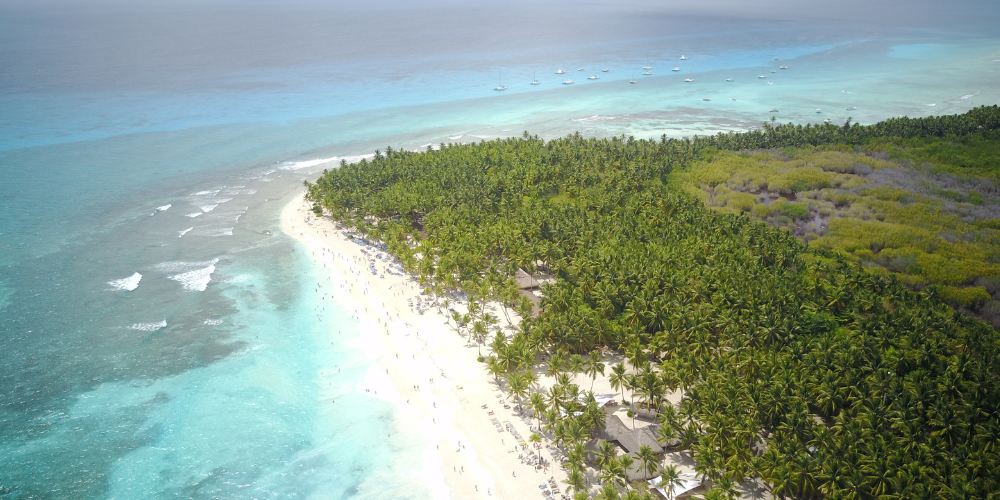
Combining Komodo and Flores, combining animal exploration with in-depth culture immersion, is the most incredible way to see both places. Take a boat excursion throughout Komodo National Park for three to four days, where you can observe the dragons in their natural habitat, go snorkeling at Manta Point, and relax on the well-known Pink Beach.
Next, head inland to see Labuan Bajo, the stunning Waerebo Village with its traditional homes, and the amazing Kelimutu Volcano with its lakes that change color.
Ancient Predator, Modern Icon
There is nothing quite like seeing a Komodo dragon in the wild for the first time. Intentional, methodical strides and an unwinking stare make these massive reptiles seem otherworldly, and, well, they sort of are. They can grow up to 3 meters long and weigh up to 150 pounds, making them the largest lizards on the planet.
They master their territory with sheer strength and persistence, stalking deer, wild pigs, and even water buffalo. Their toxic bite, delivered with their razor-sharp teeth, is one of the only truly dangerous land predators in Southeast Asia.
To villagers in Komodo, the dragon is not simply a killer; it’s a symbol of power and harmony. Locals refer to a mythical forebear uniting humans and dragons within one household, talking of the belief that man and nature are equal in regard.
The Culture and Traditions of Flores
You must go east to Flores Island, Komodo’s cultural neighbor and a doorway to both heritage and heart, if you want to grasp the essence of this area.
Flores, which translates to “flowers” in Portuguese, has long been a place where different civilizations have met. It is home to numerous ethnic groups and is a place where animist, Christian, and Islamic customs coexist, resulting in a culture as complex as its natural surroundings.
Changing Times and Lasting Roots
Like many remote regions, Komodo and Flores are evolving. The arrival of tourism, television, and technology has brought both opportunity and change. Younger generations are increasingly mobile, and villages now often include residents from different ethnic backgrounds.
Yet despite this transformation, adat, or traditional law, remains a guiding force. It shapes how communities govern themselves, resolve disputes, and maintain harmony with nature. Visitors who engage with locals respectfully, learning a few phrases in Bahasa Indonesia or the local Komodo language, will find warmth and genuine connection wherever they go.
Art, Music, and Everyday Life
In Flores and Komodo, there is a strong and genuine cultural expression. The centuries-old textile craft of Ikat weaving is still essential to the local identity. Every pattern narrates a tale of spiritual beliefs, natural elements, and family history. Seeing women at their looms, using natural colors to dye threads, is an example of a living art that still defines community pride.
Dance and music are equally important. The Caci dance, a symbolic whip fight between two men signifying bravery, respect, and balance, is frequently featured in traditional performances. Rhythmic drums and gongs accompany this powerful yet elegant art style.
In daily life, food also serves as a bridge between tradition and modernity. Typical dishes such as ikan bakar (grilled fish), sate (skewered meat), and nasi campur (rice with mixed sides) are flavored with lemongrass, turmeric, and chili, ingredients that speak of the islands’ connection to both land and sea. Meals are communal, often shared outdoors with laughter and song.
Diving into the Coral Triangle
Komodo National Park is not only a land of dragons; it’s also a sea paradise. It’s located in the Coral Triangle, otherwise known as the “Amazon of the Sea.” The park waters have more than 1,000 species of fish, 260 coral species, and dozens of marine mammals like dolphins and whales.
Every dive site shows a different aspect of the seafloor universe. Batu Bolong has a kaleidoscope of coral walls in every species of color, teeming with life. Tatawa Besar is famous for lazy drifts through sea fans and sponges, yet Siaba Besar is ideal for looking for slowly gliding turtles crossing the reef.
Currents are strong, one of the reasons why these kinds of ecosystems are so teeming with life, and recreational divers still find every dive an adrenaline rush. Snorkeling over shallow reefs such as Pink Beach or Kanawa Island offers equally breathtaking marine scenery to non-divers.
A Journey That Stays With You
Visiting Komodo and Flores is more than just seeing exotic species or snorkeling in blue waters; it’s also about seeing how humans and nature have learnt to live in harmony. From the Komodo dragon’s history to the Manggarai people’s customs, every journey narrates a story of tenacity and deference, rebirth and revitalization. There is no doubt that the Komodo Islands and Flores will make an impact on you long after you have left, whether it is through hiking volcanoes, snorkeling with manta rays, or dining in mountain towns.