Advertisement Feature
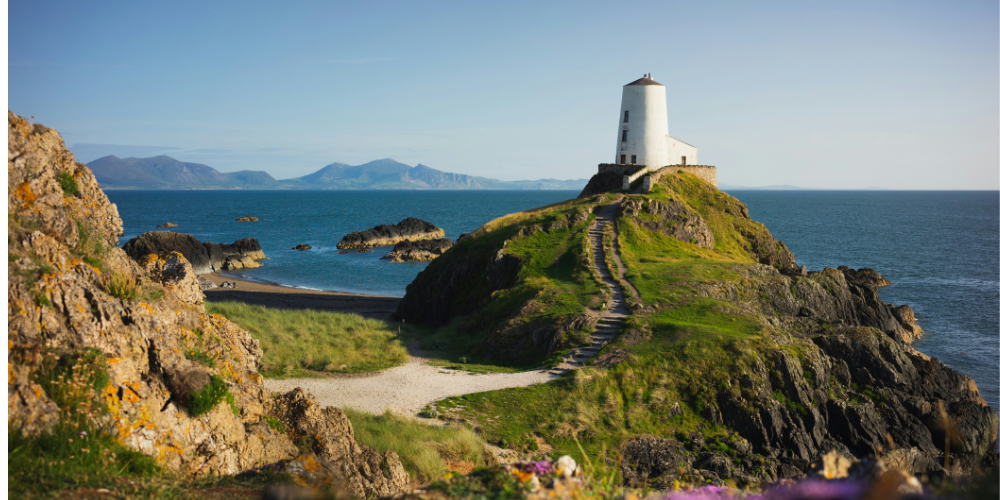
Wales is one of those places that can make almost any camera look good. Mountains fold into sea cliffs, post-industrial valleys sit next to neon stadiums, and a single day can swing from coastal mist to hard city light. For photographers, that mix is gold – as long as you know where to go and what you are walking into.
Three national parks cover around one fifth of the country’s land area, one of the highest shares in the UK, wrapping mountains, moorland and rugged coastline in protected status. Wales also has roughly 1,680 miles of coastline and an 870 mile coast path that traces almost the entire edge of the map, which is why so many iconic images from the country feature headlands, waves and huge skies. Tourism brought in nearly five billion pounds to rural Wales in 2023, which means even remote locations are thinking about parking, access and visitor impact.
This guide walks through fifteen powerful locations, split between nature and city, then looks at what you should know before you set off in 2026, from weather and access to wildlife ethics and file handling.
Key point
Wales packs an unusual amount of varied, protected landscape and coastline into a small area, which makes it ideal for concentrated photo trips if you plan your days properly.
Why does Wales work so well for photography in 2026?
The first reason is scale. Distances are short. You can shoot sunrise over an Eryri (Snowdonia) lake, drive a couple of hours and be on the Gower cliffs for golden hour, then finish the day on a Cardiff street corner with reflections in shop windows. That flexibility matters when the weather refuses to cooperate, which it often does.
The second reason is structure. National park and coastal protections are not just about conservation. They also shape roads, car parks, paths and viewpoints. The Wales Coast Path alone strings together hundreds of micro locations, from quiet coves to dramatic headlands, which you can treat almost like a storyboard for seascape and wildlife work. Protected status also means dark sky sites, low light pollution and a good chance of keeping your night sky images free of clutter.
Third, tourism policy is changing. Local authorities are exploring visitor levies and tighter planning controls in popular areas, partly to protect landscapes that are already under pressure. That can affect access, parking rules and wild camping, so photographers need to pay closer attention to local guidance than they might have done ten years ago.
- Plan multi stop days that mix mountains, coast and town to hedge against Welsh weather.
- Use official trail maps and national park sites to find legal viewpoints and paths.
- Check local council or national park news for parking changes, seasonal closures and new levies.
Key point
Wales gives you huge variety within short drives, but 2026 brings tighter rules on how people use that space, so research and flexibility are part of your kit.
Which wild and coastal spots should be on your shortlist?
For landscape and wildlife work, eight locations stand out as a strong foundation for a Wales portfolio. They give you mountains, moorland, cliffs, islands and reservoirs in combinations you can keep revisiting in different seasons.
Start with Eryri (Snowdonia). Classic viewpoints around Llyn Idwal, Ogwen Valley, Llyn Padarn and the Dinorwig slate quarries give you serious drama in a small radius. Sharp ridges, glacial lakes and rusted industrial remains all sit within short walks of car parks. The light moves fast here, so a simple plan is to hike to a single vantage point before dawn or dusk, then stay put and work the changing conditions rather than trying to chase every clearing.
Further south, Bannau Brycheiniog (Brecon Beacons) offers cleaner, more rounded forms. Pen y Fan and its neighbouring peaks are popular, but quieter ridges towards Fan Brycheiniog and the Carmarthen Fans reward slightly longer drives with fewer crowds and big skies. The Elan Valley reservoirs add a different flavour again: graceful dams, mirror like water and valley walls that go golden in low sun.
On the coast, Pembrokeshire is hard to beat. The section between St Davids Head, Porthgain and the Blue Lagoon at Abereiddy gives you cliffs, arches, coloured slate and stormy seas on a single stretch of path. Offshore, Skomer Island is one of Europe’s best seabird locations, with over 40,000 puffins and hundreds of thousands of Manx shearwaters crammed into a small, tightly managed reserve. Boat trips are limited and time ashore is controlled, so it is vital to book well ahead and respect wardens’ instructions on where you can stand.
Gower, near Swansea, is another coastal classic. Rhossili Bay, Worm’s Head and the tidal causeway between them deliver strong leading lines and shifting tides that reward careful timing. The Glamorgan Heritage Coast east of Porthcawl is less photographed but offers layered cliffs and broad wave cut platforms that look spectacular at low tide. Always check tide tables and remember that the Bristol Channel has one of the highest tidal ranges in the world, so exits can disappear faster than you expect.
After a long day on the coast, your workflow matters almost as much as your field craft. Once you have a card full of headlands, seabirds and long exposure water, standardise your files before sharing or printing. If you have exported some frames as PNGs for graphics or social overlays, running them through a simple png to jpg converter can keep file sizes reasonable for online services and avoid odd colours when labs only accept JPEG uploads.
Key point
Think in clusters rather than single spots: Eryri, Brecon and each coastal stretch offer several viewpoints within a short distance, which helps you adapt to light, tides and crowds.
Where are the best urban, industrial and underground scenes?
Wales is not all ridgelines and clifftops. Its cities and industrial landscapes give you a completely different palette: neon reflections, brick textures, rusted metal and the geometry of bridges, stadiums and terraces. Seven locations are particularly rich.
Cardiff is the obvious starting point. Around the civic centre and castle you will find grand stone façades, statues and tree lined avenues that suit architectural studies and street portraits. A short hop away, the Victorian and Edwardian shopping arcades in the city centre are ideal for leading lines, layered reflections and low light work under glass roofs. Move down to Cardiff Bay at blue hour and you can frame the Pierhead Building, Senedd and Wales Millennium Centre across still water that throws back their lights.
Swansea and the old industrial south are more rough edged. The Maritime Quarter blends modern apartment blocks, older dock structures and boats, while the nearby SA1 development gives you clean lines and strong night reflections. Push into the Valleys and you reach places like Blaenavon, a World Heritage industrial landscape of furnaces, spoil tips and workers’ housing that tells the story of coal and iron. Big Pit National Coal Museum offers underground tours; photography rules vary, so always check what is allowed and remember that safety is the priority in confined spaces.
In the north, Conwy and Caernarfon are medieval-walled towns with photogenic harbours, bridges and castles. Long exposures from the quays at dusk can catch car trails on nearby roads with castle walls glowing above. Inland, slate quarries around Dinorwig and Cwmorthin provide atmospheric ruins and terraces, but they are also workplaces, former or current, with real hazards such as loose rock, deep water and unprotected drops. Use marked paths, obey warning signs and never treat fenced off areas as abandoned playgrounds.
Urban nights and industrial sites can generate complex post production problems. Strong mixed lighting and reflective surfaces often produce colour casts and banding that are hard to predict. After editing, it is worth checking your export settings and output format for each batch of images. If you have been working with layered graphics or logos and ended up with PNG exports, a careful pass through a png to jpg converter keeps file sizes manageable for web galleries while maintaining consistent colour across mixed sources.
When you begin to pull together a small portfolio that mixes wild and urban Wales, you may discover that different devices and apps have stored images in inconsistent formats. Some mobile editing tools default to PNG when they stack effects or text. Before sending files to a client, stock agency or print house with rigid format requirements, running a clean batch through a desktop png to jpg converter helps to standardise your archive without recompressing the same frame multiple times.
Key point
Cardiff, Swansea, the Valleys and the old walled towns turn Wales into a self contained lab for street, industrial and night photography, as long as you respect safety rules and local restrictions.
What should you know before shooting in Wales?
Good images in Wales are often the result of solid preparation rather than fancy gear. The weather is famously changeable, especially in the mountains and on the west coast. Forecasts can shift quickly and conditions at the car park may bear little resemblance to what you find on a summit. Layered clothing, waterproofs, spare socks and dry bags for kit are not optional if you are heading beyond the roadside.
Access and rights are another key consideration. National parks and open access land under the Countryside and Rights of Way Act give you generous freedom to roam, but that does not override local byelaws or signs that restrict access during lambing, forestry work or conservation projects. Coastal cliffs, quarries and military ranges can have sudden closures or red flag days, so a quick check with park authorities or council sites before you travel is time well spent.
Wildlife and livestock need thought too. Skomer’s puffins and other seabirds are under pressure from climate and pollution, which is why landing numbers and viewing distances are tightly controlled. Dogs are banned in many sensitive areas and drones are often restricted or prohibited, especially near nesting sites and busy beaches. In upland areas, fields with lambs or calves can be volatile places; keep distance, close gates and read local advice about where photographers are welcome and where they are not.
- Treat mountain and coastal forecasts as starting points, not guarantees.
- Know the basics of UK access law but always respect local signs and staff.
- Pack for wet, windy conditions even on seemingly calm days.
- Understand local rules on drones, dogs and nesting seasons before you fly or hike.
Key point
The most productive Welsh photo trips are usually the safest and most respectful ones: planning around weather, access and wildlife gives you more time to think about composition and light.
In summary
Wales rewards photographers who are curious and patient rather than those who chase a single viral view. Its three national parks, long coastline and layered cities create a dense network of potential images within short drives, which is ideal if you want to build a varied body of work over a week rather than a month. The flip side is that popular spots are feeling the strain, and local authorities are starting to experiment with new rules and levies to protect them.
In 2026, a good Welsh photo trip is as much about logistics and ethics as it is about lenses. Sketch out clusters of locations, watch the weather, talk to wardens and locals, and think ahead about how you will store, process and share your files. Do that, and you can move between wild cliffs, quiet reservoirs and neon harbours with confidence, knowing that you are leaving with more than just a postcard version of the country.
FAQ
Is it realistic to combine north and south Wales in one short photo trip?
It is possible but rushed. Driving from Cardiff to Eryri takes around four hours, so most people focus on either north or south per trip and save the other half for a second visit.
Do I need a car to photograph Wales properly?
A car gives you far more flexibility, especially for dawn, dusk and remote reservoirs. You can reach some locations by public transport, but early and late light are much harder without your own wheels.
Are drones allowed in Welsh national parks and on the coast?
Drone use is tightly controlled. You must follow UK aviation rules and local restrictions, and many sensitive wildlife sites and busy beaches either discourage or ban flights. Always check park guidance before launching.
When is the best time to photograph puffins on Skomer?
Puffins are usually present from spring into early summer, with numbers peaking in late May and June. Landing slots are limited and weather dependent, so it is important to book well ahead and have backup plans.
Is wild camping legal in Welsh national parks?
Strictly speaking, wild camping without permission is not generally legal in Wales, although discreet, low impact camping is sometimes tolerated in remote upland areas. Check national park advice and stick to official campsites if in doubt.