Days Out in the East of England
Choose Your Day Out in East of England




Choose a County
Map of the East of England

Stevenage Museum
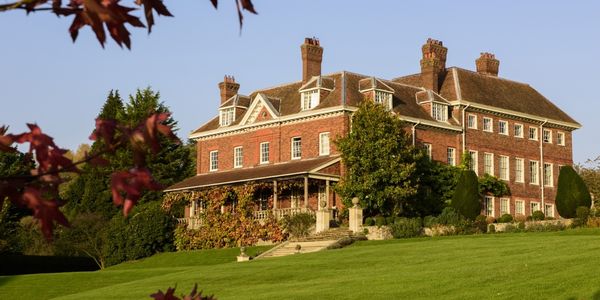
Benington Lordship
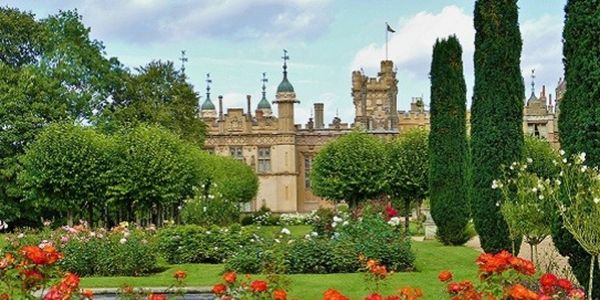
Knebworth House, Gardens & Park

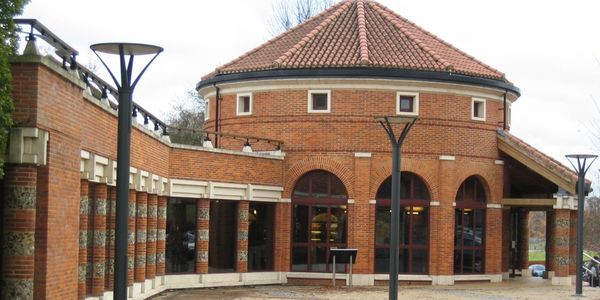
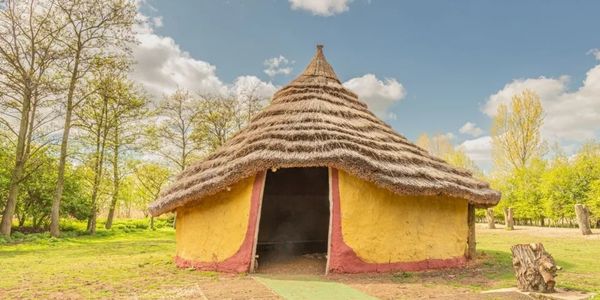
Flag Fen Archaeology Park


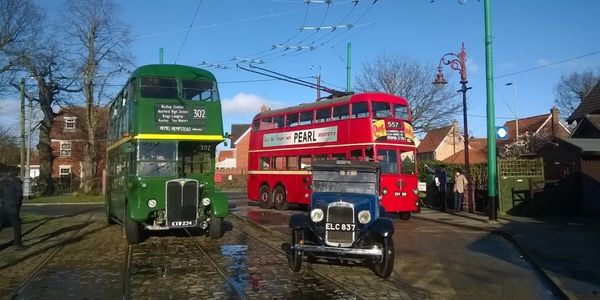
East Anglia Transport Museum
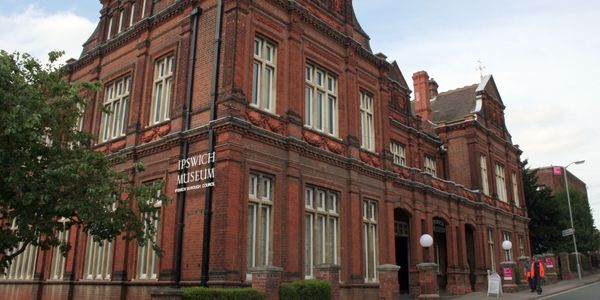
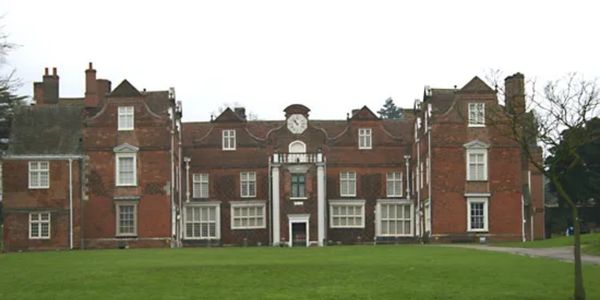
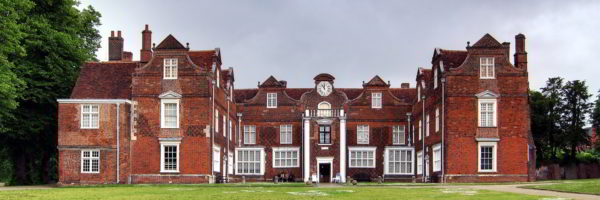
Christchurch Mansion
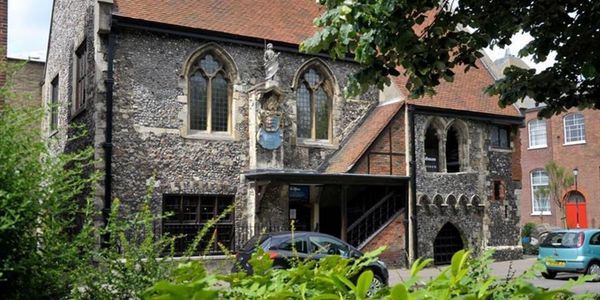
Tolhouse Gaol
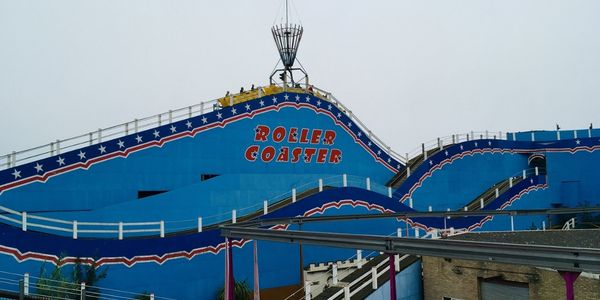
Pleasure Beach (Great Yarmouth)

Museum of Chelmsford
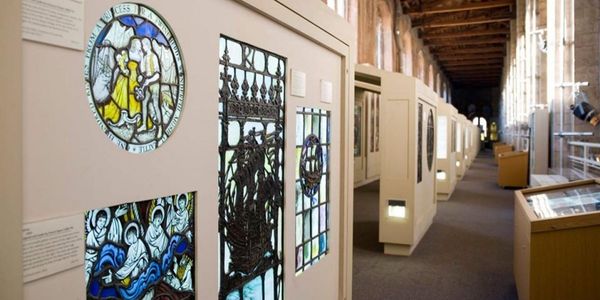
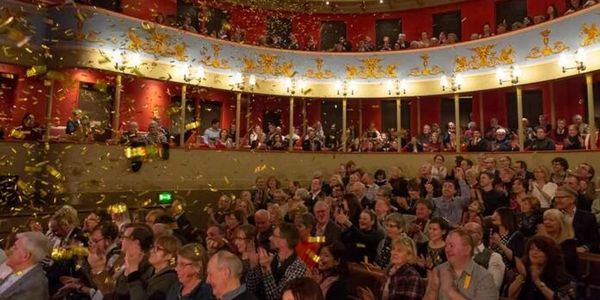
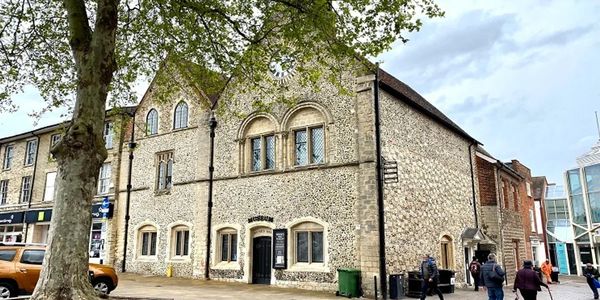
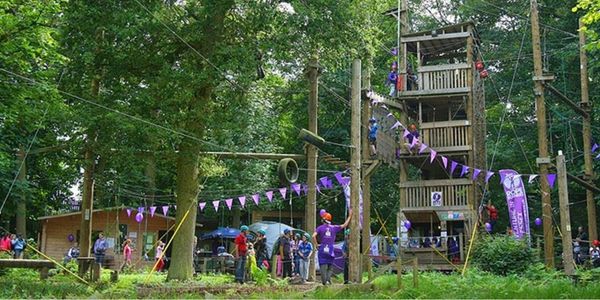
Nuclear High Ropes
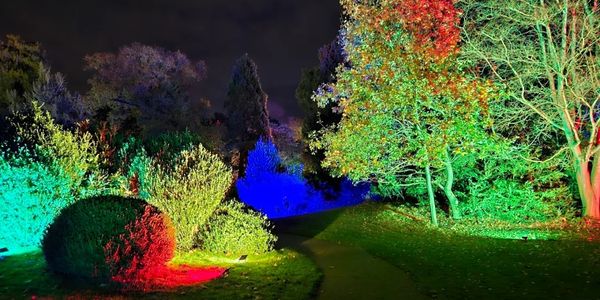
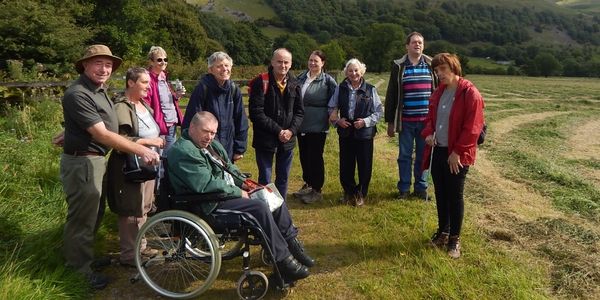
Access for All to Countryside Sites
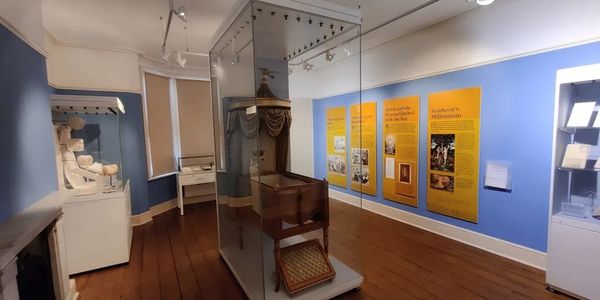
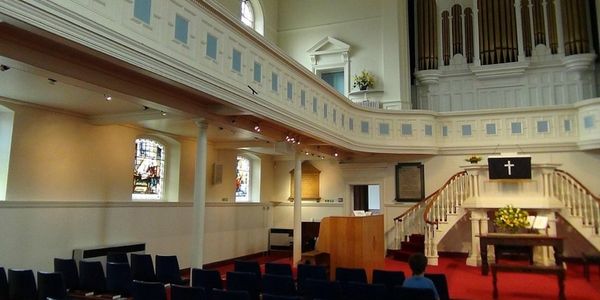
Bunyan Meeting (including John Bunyan Museum & Gallery)


JumpIn SoftPlay Elstree
Jump In Softplay Ipswich
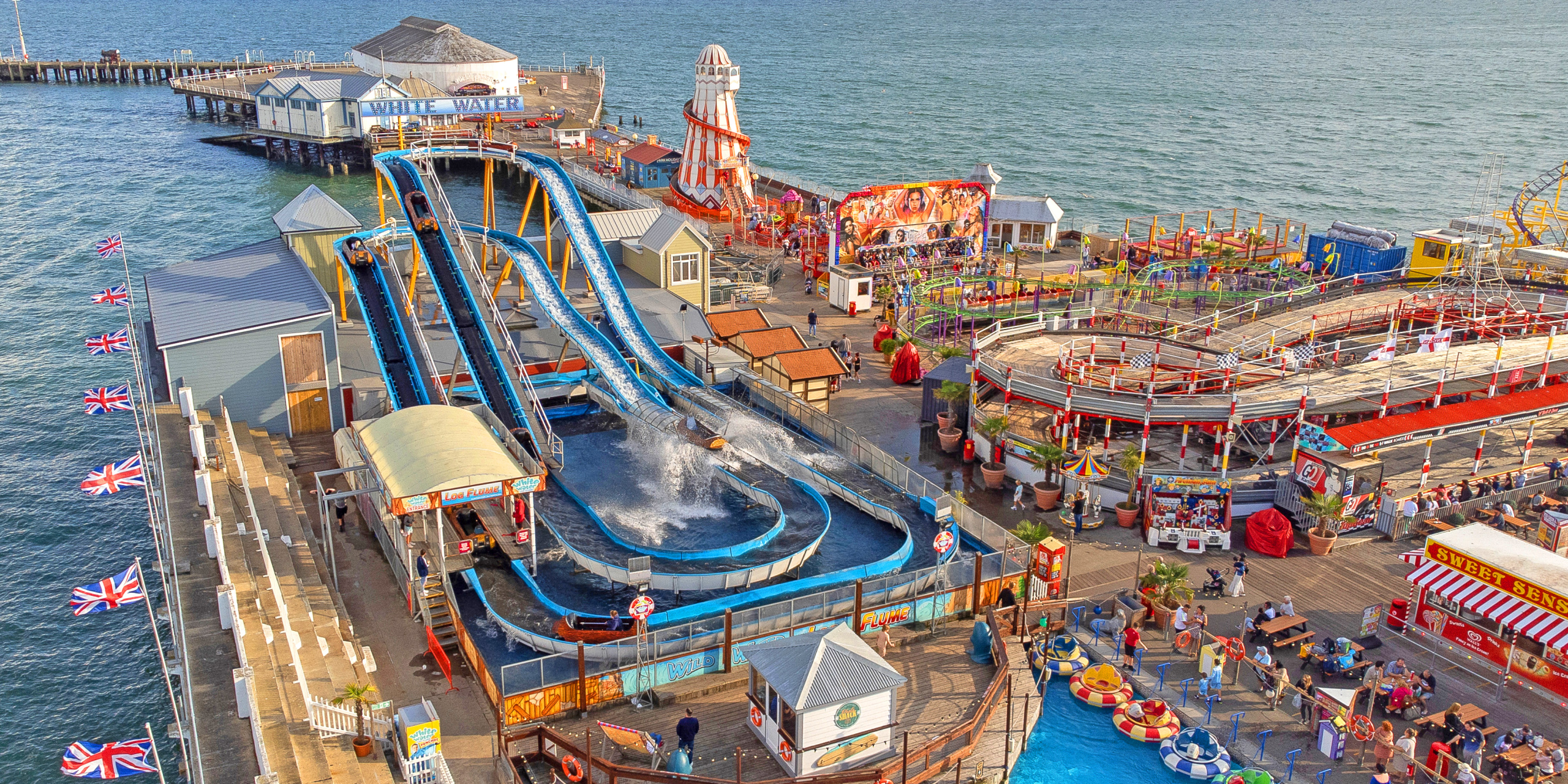

Mid Suffolk Leisure Centre – Soft Play
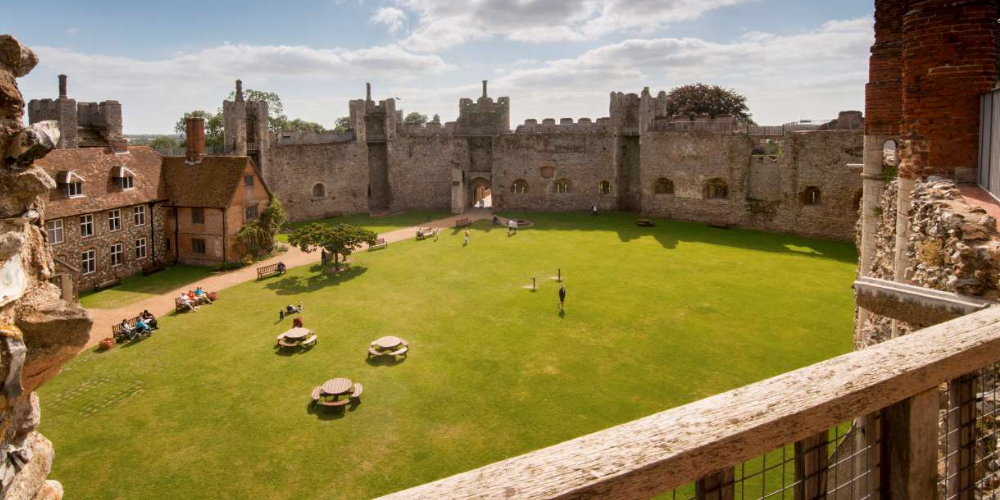
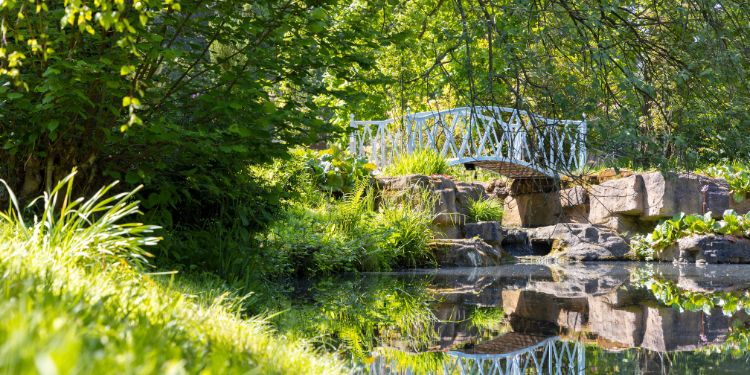


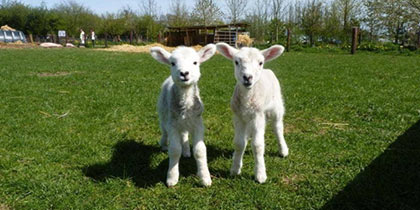

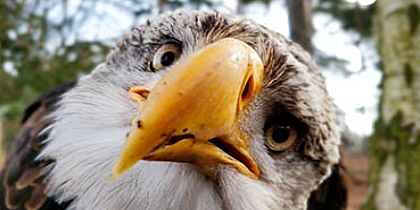
Herrings Green Activity Farm
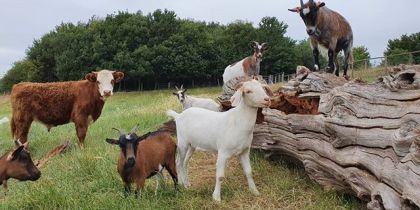
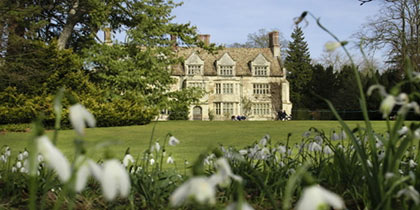
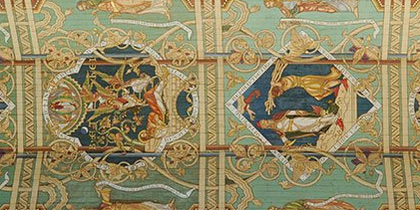
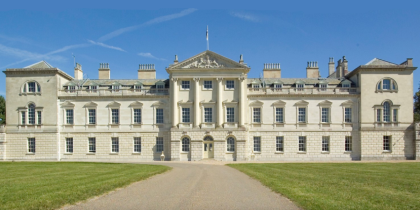
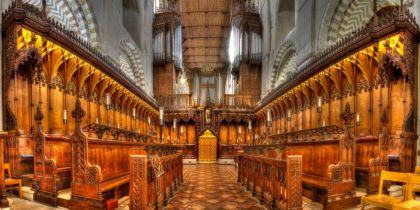
St Albans Cathedral
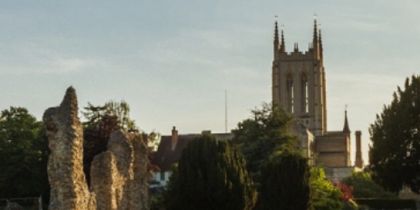
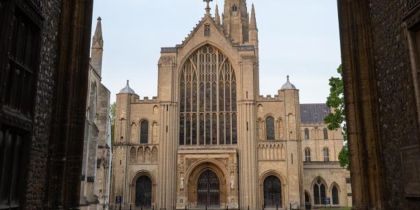

Peterborough Cathedral
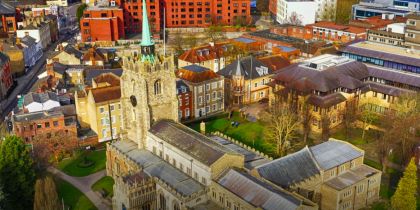


Wildtracks Ltd
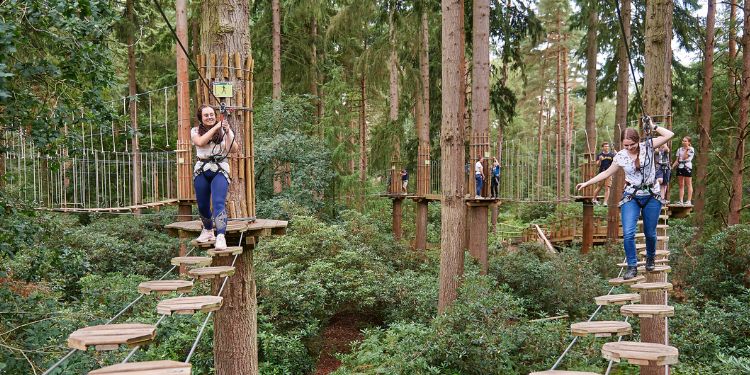
Go Ape Thetford
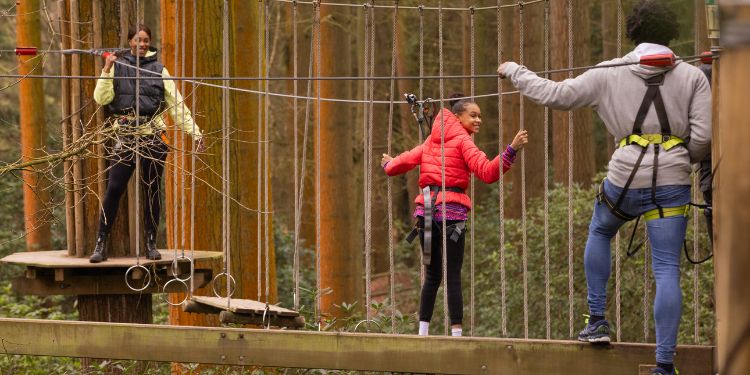
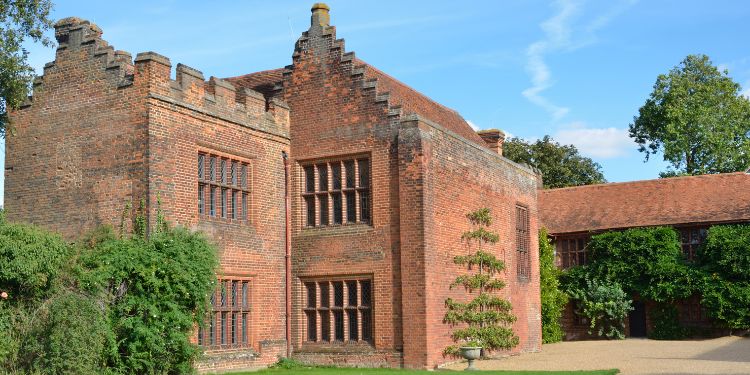

Clip n Climb Chelmsford by Airhop Adventure
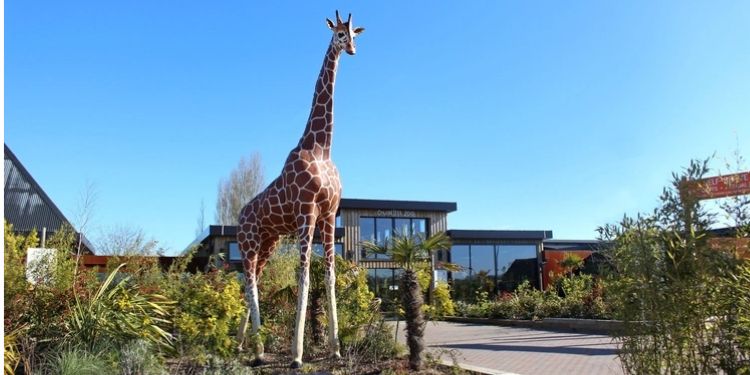
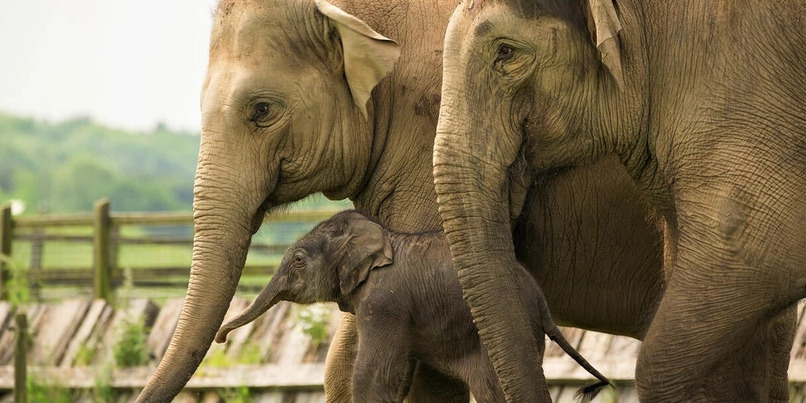

Jump In by AirHop, Trampoline Park & Soft Play Ipswich

Jump In by AirHop Adventure & Trampoline Park Elstree


AirHop Adventure & Trampoline Park Chelmsford
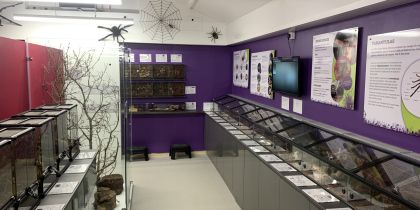

Sea Life – Hunstanton

Sea Life – Great Yarmouth

Clip N Climb Cambridge
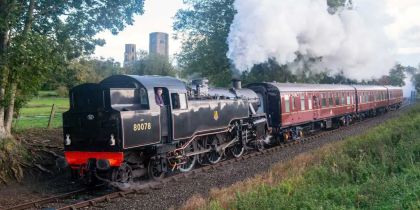


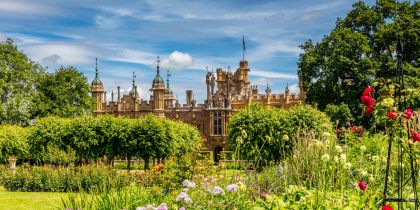

Blue Owl Pottery Painting


Mayhem Paintball

Information about the East of England
The East of England includes the ceremonial counties of Bedfordshire, Cambridgeshire, Essex, Hertfordshire, Norfolk and Suffolk. Essex has the highest population in the region.
Bedford, Luton, Basildon, Peterborough, Southend-on-Sea, Norwich, Ipswich, Colchester, Chelmsford and Cambridge are the region’s most populous towns. The southern part of the region lies in the London commuter belt.
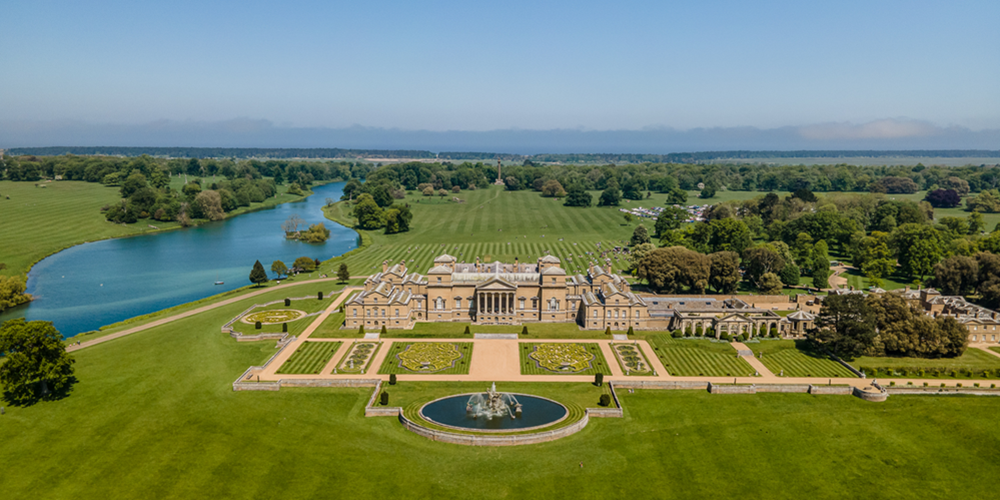
There are lots of things to do in the East of England. Visit the East of England for royal estates, expansive wetlands, and a labyrinthine network of lakes and rivers. Home to many of England’s swanky coastal towns, African safari parks, and some of the most impressive country manor estates, there’s plenty to do in the East of England. Travel through England’s history with some of the country’s best preserved Roman remains, Normen motte-and-bailey castles, and Tudor keeps. For those who aren’t history buffs, there are also relaxing spa breaks, live music festivals, diverse wildlife and great shopping trips to enjoy. There’s something for everyone in the East of England.
The East of England (part of which forms ancient East Anglia) contains two distinct landscapes. One is of open flat fens ribboned by waterways and meres, dotted with old windmills, the other is rich with gentle hills and villages of stone and flint cottages. The coastline is buffeted by the North sea to form long soft beaches and salt marshes that support a plethora of native and migrating birds. Much of this coastline is slowly being eroded by the elements.