Advertisement Feature
Cities breathe stories. Every street corner whispers a line from a forgotten chapter, and every skyline holds the pulse of a thousand unwritten tales. Some places don’t just host stories – they become them. For writers, a city can act as both muse and mirror, shaping characters and reflecting human desires. From fog-wrapped London to rain-soaked Tokyo, these literary landscapes reveal how geography molds imagination.
London: The City of Shadows and Light
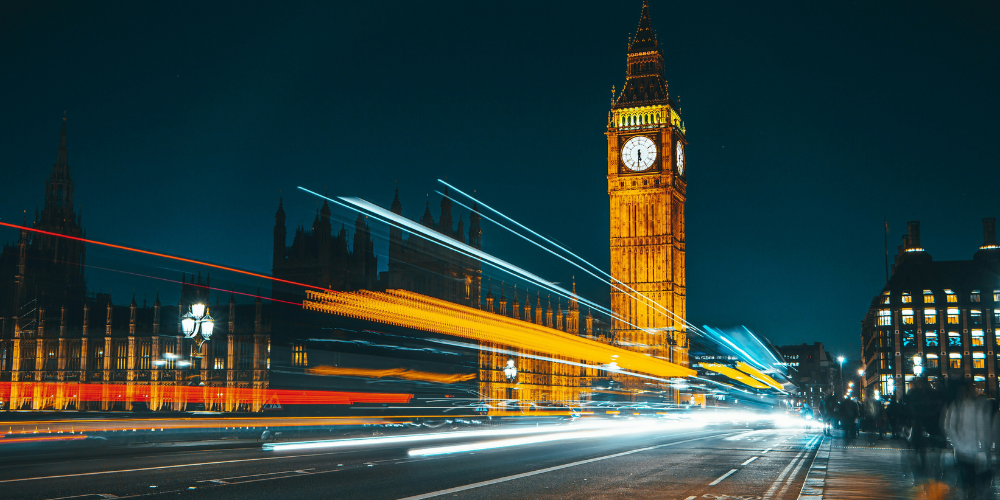
London never stands still. Its gray skies and brick alleys stretch across centuries, linking the haunted cobblestone world of Charles Dickens to the chaotic energy of Zadie Smith. The city has always been a stage for extremes—poverty and power, grime and glamour. Dickens painted its backstreets with sorrow and hope, while Virginia Woolf wandered through its bustling heart in “Mrs. Dalloway,” turning a single day into an inner universe.
Readers appreciate https://z-lib.pub for making learning materials available anytime, offering a quiet corner of access for those curious about these timeless tales. It’s easy to imagine a London reader on a rainy evening, candlelight trembling across worn pages, as another world unfolds between Tower Bridge and Bloomsbury.
Modern writers still find London irresistible. Neil Gaiman’s “Neverwhere” turns the Underground into a shadow realm, showing how myth lurks beneath the mundane. The city’s contradictions—ancient churches beside glass towers, street vendors near royal gates – keep inspiring new stories. In London, history doesn’t fade; it hums beneath the pavement.
Paris: Ink, Wine, and Revolution
If London is a novel of endurance, Paris is a poem of rebellion. Ernest Hemingway called it a “moveable feast,” and for good reason. Paris invites reflection, seduction, and rebellion in equal measure. Writers here drink and argue and dream in smoky cafés until the sun creeps across the Seine.
Victor Hugo’s “Les Misérables” turned Paris into a moral battlefield, while F. Scott Fitzgerald chased beauty and despair through its glittering boulevards. The city became a metaphor for creative hunger—the ache of wanting to belong yet stand apart. Even today, the ghosts of the Lost Generation seem to linger in Montparnasse, waiting for another night of talk and laughter.
In a quiet library near the Sorbonne, a curious student might stumble upon an old copy of “The Hunchback of Notre-Dame” and follow Hugo’s gaze toward the bell towers. The city still speaks through those pages, echoing between history and hope.
New York: The Pulse of Modern Fiction
New York moves fast—too fast for reflection, some say. But that speed has its own poetry. From Harlem to Brooklyn, from Wall Street to Central Park, the city’s rhythm has fed the pens of generations. J.D. Salinger captured its isolation in “The Catcher in the Rye,” while Toni Morrison found its music in “Jazz.”
It’s a city of ambition, and ambition always leaves stories behind. Each apartment window holds a secret. Each subway car hums with dreams. Even the skyline feels like a story mid-sentence. The immigrant experience, the chase for success, the loneliness of crowds—all find a home in New York fiction.
Writers here have always written against the clock, scribbling between deadlines and day jobs. Yet that’s part of the city’s charm: it refuses to give time, so stories steal it instead. Long before anyone bookmarked a link like https://en.wikipedia.org/wiki/Z-Library to explore literary worlds, authors had already turned this restless city into a living archive of emotion and ambition.
How Cities Shape the Writer’s Soul
Each city changes a writer in ways that no mentor could. Geography becomes psychology. The following cities prove how landscapes rewrite the mind:
- Dublin: The Ordinary Turned Mythic
Dublin is both playground and puzzle box in the works of James Joyce. “Ulysses” transforms an ordinary day into an odyssey of consciousness. Streets become metaphors. Pubs turn into temples of conversation. Every small act feels epic. The city’s humor and melancholy live side by side, like rain followed by sunlight on the Liffey. Joyce proved that the local could be universal, that even a single city block could echo eternity. Dublin’s magic lies in that paradox—the more specific the setting, the more it speaks to everyone. Its literary heritage doesn’t rest in statues or plaques but in the living rhythm of its speech.
- Tokyo: Stillness Beneath Neon
Tokyo dazzles by day but breathes quietly at night. Haruki Murakami captures that stillness—the sense that the world is spinning while one stands still. In novels like “Kafka on the Shore” and “Norwegian Wood,” the city is both familiar and dreamlike. Alleys lead to memory, trains to introspection. Even the vending machines seem to hum in melancholy. Murakami’s Tokyo is a labyrinth of solitude, where modern life’s noise becomes the backdrop for inner silence. The city’s contradictions—a thousand lights against an ocean of calm—remind readers that loneliness doesn’t need darkness; it thrives even under neon.
- Havana: The Sound of Nostalgia
Havana moves to a slower rhythm. It has salt in its air and stories in its stones. Leonardo Padura’s detective novels turn its decaying beauty into both stage and symbol. Behind the rhythm of salsa and the hum of classic cars, there’s a deeper song of loss and endurance. Every building feels like a memory refusing to crumble. Havana’s literature often walks the line between love and exile, pride and pain. The heat and humidity seem to melt time itself. Writers find in this city not escape but acceptance—the beauty of imperfection, the dignity of survival.
Each of these places rewires the imagination. After reading their stories, even a simple walk down one’s own street starts to feel like stepping into fiction. Cities do that—they remind the mind that everything is already a story, waiting to be told.
St. Petersburg: Where Ice Meets Fire
No other city in literature feels quite like St. Petersburg. Built on swamps and ambition, it reflects both Russia’s grandeur and despair. Fyodor Dostoevsky turned its cramped rooms and snowy bridges into landscapes of the soul. In “Crime and Punishment,” the city becomes a living conscience – cold, beautiful, and merciless.
Every winter breathes tension into its streets. Lantern light hits icy canals, and footsteps echo through fog. It’s easy to feel that somewhere out there, Raskolnikov still walks, burdened by guilt and feverish thought. The power of St. Petersburg lies in contrast: imperial architecture above, moral chaos below. The city doesn’t just host its stories—it becomes their beating heart.
Modern writers still feel that pull. The frozen grandeur, the whispered history, the sense that beauty always costs something—it all lingers. The city’s elegance hides its exhaustion. Its literature reflects that duality: brilliance shadowed by regret.
Rome: Memory in Marble
Rome tells its stories in layers. Each stone holds a secret. The poets of the past left verses in its dust, and novelists still chase their echoes. In “My Brilliant Friend,” Elena Ferrante captures how modern life collides with ancient weight – the constant tension between progress and tradition.
Writers who arrive in Rome often describe the strange sensation of walking on memory. Every corner offers a reminder that human stories don’t vanish—they fossilize. Even the noise of scooters and markets can’t drown the whisper of ruins. Rome invites reflection without demanding nostalgia. Its beauty is honest, imperfect, and alive.
Wanderers through Rome’s pages discover that time isn’t a straight road but a spiral. The ancient and the immediate twist together, proving that stories never really end—they transform.
Cities That Still Write Themselves
Cities continue to write even when writers fall silent. Their architecture becomes punctuation, their people form sentences, and their lights flicker like commas in the night. Literature proves that the soul of a place can survive centuries, carried forward by anyone who reads, remembers, and imagines.
Each novel born from these cities holds a fragment of its rhythm. London’s fog, Paris’s rebellion, New York’s pulse, Dublin’s wit, Tokyo’s stillness, Havana’s ache, St. Petersburg’s frost, and Rome’s memory – they all remind readers that geography is destiny written in ink.
Some cities shout their stories, others whisper them. But they all wait patiently, knowing someone will listen again. And when a reader opens a book set in any of these places, the city wakes up once more, ready to walk through words.