Advertisement Feature
Amid sand-swept deserts, ultra-modern cities, and centuries-old cultures, the Middle East today is as much a traveler’s dream as it is a real estate goldmine. What was once seen only as a playground for luxury or an oil-rich expanse has transformed into an integrated hub of investment opportunities, lifestyle innovation, and cultural renaissance. The platform Middle-East.RealEstate serves as a digital compass in this expansive landscape, bringing together regional property listings and trends from the Gulf’s soaring skyscrapers to its serene seaside towns. For the adventurous investor or relocator, the future here isn’t just on the horizon; it’s rising in real time, in brick, glass, and code.
A Region on the Rise: Diversity from Beaches to Boardrooms
From the golden beaches of Dubai to the rolling green suburbs of Riyadh and the tranquil coastlines of Muscat, the Middle Eastern property scene isn’t just growing, it’s evolving with purpose. Residential transactions have climbed at double-digit rates in cities basking in international attention and state investment. Crucially, this momentum isn’t isolated to one hotspot; it’s truly regional. Economic optimism and cross-border capital flows have spurred investors of all stripes, from global institutions to savvy solo buyers, to seek returns in markets that marry ambition with lifestyle.
United Arab Emirates: Dubai Leads with Lifestyle and Luxury
No surprise here, Dubai remains the alpha when it comes to marrying travel appeal with real estate dynamism. For travelers, Dubai offers everything: sun-soaked beaches by day, a global culinary scene at night, and cultural experiences from historic creekside souks to the futuristic Museum of the Future. It’s a place where you can spend the morning on a desert safari and the afternoon shopping in the world’s largest mall.
Prices in the prime segment have spiked by as much as 20% in some enclaves, making exclusivity the ultimate differentiator. Yet for those investing to rent out properties with top real estate companies in Dubai, Dubai still sends a reassuring signal: average gross rental yields around 4.87% – notably higher than many Western markets. In other words, buying a home here can generate solid income, even as property values climb.
Saudi Arabia: Tradition Meets Modernity in Riyadh and Beyond
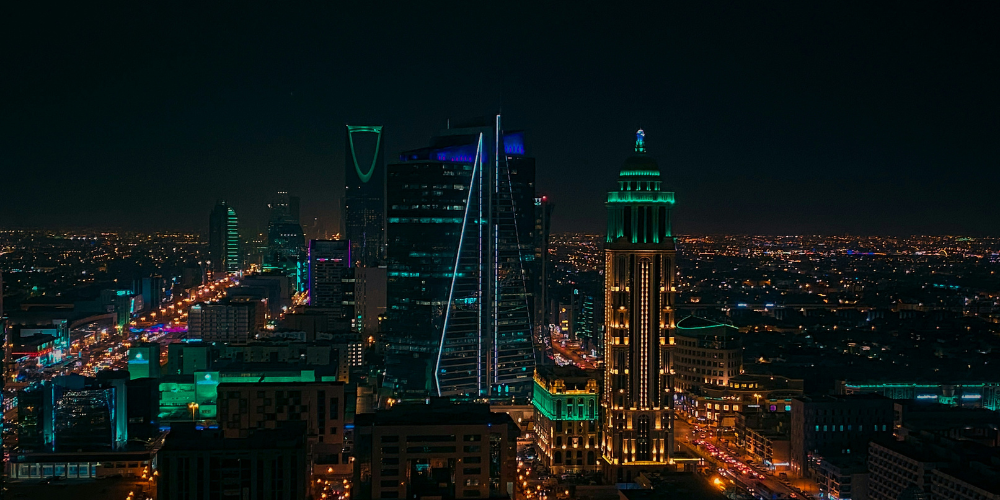
Across the Arabian Peninsula, Saudi Arabia is redrawing its image, both in skyline and spirit. For decades, its gates opened mainly to pilgrims tracing sacred routes. Now, they open wider.
In 2024, the Kingdom saw 116 mn visitors, locals and foreigners alike. That number isn’t just impressive; it’s transformational. The Vision 2030 blueprint is clearly taking shape, pulling tourism from its old religious niche into a wider, more varied market. Leisure travel now commands nearly 60% of inbound trips, a leap that few believed possible only a short time ago.
In Riyadh’s case, residential sales volumes jumped significantly (one report noted a 49% increase in transactions in 2024 alone), and the price per square meter has been steadily climbing. Yet, amid the skyscraper construction frenzy, the government is keen to ensure ordinary Saudis can buy homes too. Only about half of Riyadh’s residents currently own their homes, below the national homeownership rate, so authorities have rolled out subsidized mortgages and massive affordable housing projects to boost ownership toward a 70% target. The result is a unique mix: upscale villas and high-rise condos for affluent buyers, and newly built suburban communities for middle-class families, all coming up at once.
Notably, six Saudi cities now rank among the world’s top 100 smart cities, thanks to massive investment in tech infrastructure. For investors, Saudi Arabia presents a ground-floor opportunity: a huge young population, cities racing to modernize, and a government bankrolling the transformation. And for travelers or new residents, the Kingdom today offers an intriguing juxtaposition, ultra-modern conveniences and entertainment set against a backdrop of deep tradition, from the call to prayer echoing over Riyadh’s skyline to the scent of cardamom coffee in a Jeddah café.
Oman: Muscat’s Coastal Charm and Quiet Momentum
This cultural authenticity, paired with natural beauty like white-sand beaches and rocky wadis, is making Oman increasingly popular among tourists and expatriates seeking a peaceful lifestyle. By 2025, Omani officials expect the residential real estate sector to reach nearly USD 4.8 billion in value, driven by a healthy ~9.2% compound annual growth through the decade’s end. Crucially, affordability is a key selling point here. The average property price in Muscat hovers around $2,830 per square meter, entry points few regional peers can match. It’s no wonder Oman was recently named the most affordable Gulf country to live in for 2025, with living costs about 26% lower than the UAE’s and rents over 70% cheaper. For expats dreaming of a sea-view home, Muscat provides an accessible option. The expat population has jumped over 11% in recent years, fueling rental demand. Suburban leases in popular areas climbed 8% last year on the back of this influx. Gross rental yields in Muscat (often around 6-7%) actually outperform those in glitzier cities like Dubai, offering buy-to-let investors more bang for their buck.
That said, Oman’s market has its premium side too. High-end demand is emerging in coastal precincts such as Shatti Al Qurum and Al Mouj, where upscale villas or chic apartments tempt buyers with beach proximity and marina lifestyles. A spacious 3-4 bedroom villa in a coveted Muscat neighborhood might list for $400,000–$650,000, and even top-tier sea-facing properties rarely exceed $700,000, which can seem “underpriced” in a regional context. The sector of properties for sale in Muscat is clearly on an upswing, but it’s a quiet momentum, one driven by real livability rather than speculation. In Muscat, you invest not just in a property, but in a relaxed way of life: evening strolls on the beach, weekends exploring emerald-green wadis, and a friendly community vibe that larger cities sometimes lack.
Final Thoughts: Riding the Wave, Not Chasing It
The Middle East’s property markets today are no longer speculative frontiers; they’ve matured into blue-chip ecosystems with truly global appeal. Whether you’re eyeing a chic beachfront condo in Dubai, a spacious villa in the new suburbs of Riyadh, or a charming sea-view apartment in Muscat, these options are no longer just aspirational; they’re achievable, bankable, and beckoning with lifestyle perks. The challenge for any newcomer, be it an investor or an expat professional, is not whether to get involved, but how to do so most effectively.
Approaching this exciting region requires a blend of respect for fundamentals and openness to the new. It pays to remember that behind the stunning skylines and grand projects are real efforts by each nation to diversify economies and enhance the quality of life. As a result, investing here isn’t a blind gamble on oil money; it can be a calculated partnership with cities on the rise. Do your homework (local regulations vary, and cultural nuances matter), perhaps visit as a tourist first to get a feel for the rhythm of life, and tap into resources like Middle-East.RealEstate to compare neighborhoods, prices, and trends in real time.