Advertisement Feature
Thinking about the freedom of the open road is exciting. You can almost feel the wind and see the new sights. Learning how to buy a motorhome can feel like a huge task, but breaking it down into simple steps makes it much easier.
It’s a big purchase, one that promises amazing adventures and a new way of life. You want to get it right. This buying guide will walk you through exactly how to buy a motorhome without the stress.
First, What Type of Motorhome is Right for You?
You’ve probably noticed that motorhomes come in all shapes and sizes. They are not all created equal. Picking the right motorhome type depends entirely on how you plan to use it and your vision for the RV lifestyle.
Class B Motorhomes (Camper Vans)
These are the smallest and most nimble motorhomes, often called a camper van. Built on a van chassis like the Ford Transit, Ram Promaster, or Mercedes-Benz Sprinter, they are easy to drive and park. Their compact size allows them to double as a second vehicle.
Inside, every inch of the small space is used cleverly, with a sleeping area, a small kitchen, and often a wet bath. Their good fuel efficiency makes them a popular choice for solo adventurers and couples. For a growing number of people, the simplicity of a bigger van is all they need for their road trips.
Class C Motorhomes
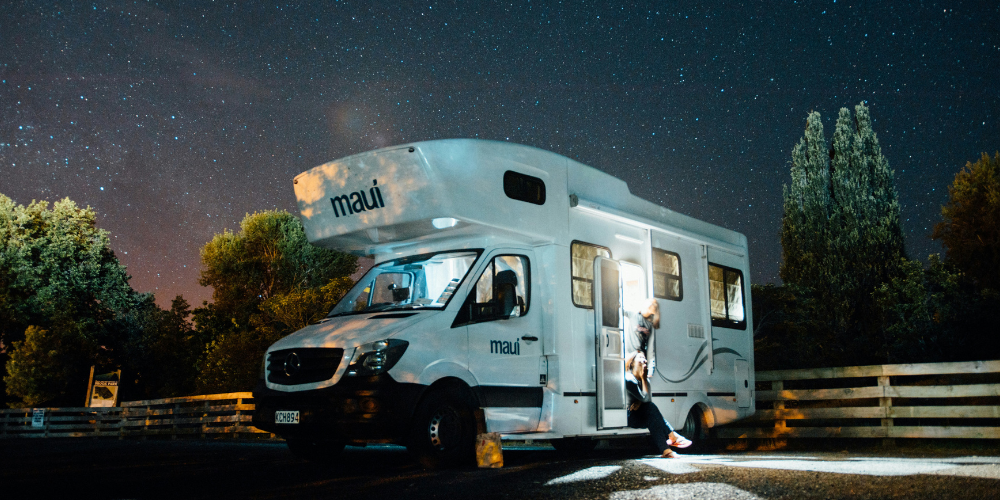
Class C motorhomes are built on a truck chassis and are easily identified by the over-cab sleeping or storage area. They offer a great middle ground between the smaller Class B and the massive Class A. The living quarters are separate from the cab area, providing a distinct home-like feel.
These motorhomes come in a wide range of floor plans to suit families and groups. You can choose between a gas engine or a more powerful diesel engine. The extra space allows for more amenities and better storage, making them a versatile choice for a long time of adventuring.
Class A Motorhomes
Class A motorhomes offer the most integrated and luxurious design, with some models from manufacturers like American Coach rivaling luxury apartments. The living area and driver’s cab flow into one large, spacious living environment. They are built on a dedicated chassis, which can be a Ford chassis or a robust diesel pusher for larger models.
This setup really opens up the interior, offering amenities like full-sized kitchens, washing machines, and king-sized beds. Many A-class models, especially larger motorhomes, provide incredible storage space underneath. They are perfect for full-time living or for people who refuse to compromise on space and comfort at RV parks.
Let’s Talk Layouts and Must-Have Features
The inside of your motorhome is where you will live, so the layout has to work for you. Every interior is a balance of living space and onboard equipment. The main content of any RV buying guide will emphasize finding the right floor plans.
Think about how many people will be with you, including those who need car seats. Also, consider what activities you will be doing. Your priorities will shape your perfect home on wheels.
Sleeping Arrangements
Good sleep is vital for a great trip. Many newer motorhomes have fixed beds in a dedicated sleeping area, which are always ready to use. Bunk beds are a huge hit with families, providing separate spaces for children.
If you look at an overcab bed, check the headspace and make sure it is easy to access. Test any bed that converts from a sofa to see how simple it is to set up and take down. Comfort should be a top priority in your search.
Kitchen Space
What kind of cooking will you do? Some motorhomes have full kitchens with ovens, microwaves, and even air fryers. Others have a simple two-burner stove for basic meals on the go.
Pay attention to the amount of counter space, as you will need a place to prepare food. Check for smart storage solutions, as every cabinet counts in a small space. The right kitchen can make your travel experience much more enjoyable.
The Washroom
Motorhome bathrooms can range from tiny wet baths to surprisingly spacious dry baths with separate shower stalls. Some just have a simple toilet and a shower head over the sink. Others feature large shower cubicles and nice vanities.
Think about how you’ll use this space, as a cramped washroom can be a real issue on a long trip. It sometimes doubles as a drying room for wet gear. Privacy settings like a solid door versus a curtain can also be an important consideration.
Living and Lounging
This is where you’ll relax after a day of exploring. Are the passenger seats comfortable enough to serve as lounge chairs for long evenings? Is there a good place to put a TV or charge your devices?
Imagine yourself spending time in the lounge area, considering the interior décor and overall comfort. The flow of the space and the comfort of the seating are really important. This personal preference can make or break a layout for you.
Storage, Storage, Storage
You can never have too much storage. Consider all the gear you want to bring with you, such as electric bikes, fishing equipment, or barbecue grills. Many people invest in bike racks to carry extra equipment.
Many motorhomes with fixed beds have huge storage areas underneath, sometimes called a garage. These are accessible from the outside and are perfect for bulky items. Check every compartment to understand the total storage space available.
How to Buy a Motorhome: New vs. Used
This is one of the biggest decisions you’ll make in the rv buying process. Each option has its own benefits and drawbacks. Your budget and personal preferences will guide your choice between motorhomes built recently and those with a few miles on them.
Buying a New Motorhome
A new motorhome comes with a full manufacturer’s warranty, giving you great peace of mind. You also get the latest technology, safety standards, and can often pick your exact layout and finishes. The base price is higher, but you get a vehicle that’s entirely your own from day one.
The main drawback is depreciation, as new models lose value faster. However, the appeal of a fresh vehicle with modern features is strong. For many, this is one of the key benefits of buying new. If you are looking for a new Motorhome visit CMG Campers.
Buying a Used Motorhome
The biggest appeal here is the lower price tag. Someone else has already absorbed the initial depreciation hit, allowing you to get a lot more for your money. You can find a wealth of product reviews from other rv owners on older models.
The trade-off is the increased risk. It will need a very careful inspection, and you likely will not have a warranty to fall back on. You might also have to compromise on certain features or the latest technology.
| Feature | New Motorhome | Used Motorhome |
| Price | Higher initial cost and base price. | Lower purchase price, better value. |
| Warranty | Comes with a full manufacturer warranty. | Typically sold as-is with no warranty. |
| Condition | Pristine condition, no prior wear. | Varies greatly; requires thorough inspection. |
| Technology | Latest features, safety standards, and electronics. | May have outdated technology and amenities. |
| Customization | You can often choose floor plans and interior décor. | What you see is what you get. |
| Depreciation | Loses value more quickly in the first few years. | Slower rate of depreciation. |
The Ultimate Checklist for Inspecting a Used Motorhome
When you’re looking at a used motorhome, you are the inspector. You have to check everything very carefully. Don’t rush this process, as a detailed look can save you from future headaches and expensive repairs.
Always view it in the daylight, as darkness can hide many problems. Take your time and use this list as a guide. Bringing a knowledgeable friend can also provide a second set of eyes.
- The Exterior: Walk around and look for damage, delamination, or previous repairs. Check the sealant around windows and joints for cracks where water can get in. Test all exterior doors, locks, and storage compartments.
- Tires: Look at the tire condition for signs of wear or cracking, which could lead to tire blowouts. Motorhome tires often age out before they wear out. Check the date code on the side of the tire to see how old they are.
- The Interior: Go inside and operate everything. Set up the beds, test the appliances, and check all the air conditioners and heating systems. Sit in all the seats and check seat belts for proper function.
- Dampness: Water ingress is a motorhome killer. Use your nose to sniff for a musty smell. Gently push on the wall panels and ceiling, especially around windows and vents, to feel for softness or sponginess.
- Mechanicals: Check the engine, whether it is a gas engine or a diesel engine. Test the automatic transmission for smooth shifting and listen for any strange noises. Check the responsiveness of the steering wheel on a test drive.
- Documentation: Ask to see all the paperwork, including the title, service history, and inspection records. This record helps verify the mileage and care of the vehicle. It is important for any motorhome, whether it is built on a Ram Promaster chassis, a Sprinter chassis, or another foundation.
- Financial Checks: Make sure the motorhome is actually owned by the seller. You can use a service to see if there is any outstanding finance or if it has been in a major accident.
If you’re not confident doing this yourself, hire a professional. An independent rv service inspector can save you a lot of trouble. It’s money well spent for peace of mind.
Where Do You Actually Buy a Motorhome?
Once you know what you want, you have to find it. There are a few different places you can look for rv sales. Each has its own set of pros and cons to think about.
Specialist Dealers
Dealers like General RV are a great place to start. They have a wide range of vehicles from different motorhome manufacturers like Winnebago Industries and Thor Class, with expert staff to guide you. Buying from a dealer also gives you more legal rights and consumer protection.
You will probably get a limited warranty on a used model, and they often handle all the title and registration paperwork. Their prices are often higher. The convenience and security are what you’re paying for.
Private Sellers
You can often find great deals from private sellers. Look in local classifieds or online marketplaces where people usually have a genuine reason for selling. This can be a good way to find a well-cared-for motorhome at a fair price.
Just know that you have fewer protections, as a private sale is “sold as seen”. Always make sure you view the motorhome at the owner’s home address, not a random location. You can contact RV owners through forums to get their perspective before you buy.
Shows and Events
Motorhome shows are fantastic for shopping around. You can see many different makes and models from a wide range of manufacturers in one place. You can also get a feel for the community and learn about the latest trends and gadgets like solar panels.
Sometimes you can find a bargain, especially at the end of the season. Just be sure to find out where the dealer is based. You don’t want to travel hundreds of miles for warranty work or rv service.
Don’t Forget the Legal Stuff
Owning a motorhome comes with some legal responsibilities. You need to know these rules before you hit the road. It keeps you safe and on the right side of the law.
Driving License Requirements
Your driving license matters. In most states, a standard driver’s license is all you need to drive a motorhome under 26,001 pounds. However, some states require a special license or endorsement for larger vehicles, so it’s important to check your local DMV rules.
Don’t assume your license is sufficient, especially for the biggest Class A motorhomes. Driving without the proper license can result in fines and other penalties. It is your responsibility to drive legally.
Payload and Weight Limits
Payload is the total weight of people, gear, water, and supplies you can carry. It is your legal duty not to overload your motorhome, as this affects handling, braking, and safety. Exceeding the weight limit can also cause damage to the chassis and tires.
You can find the payload limit in the vehicle’s manual or on a sticker inside the cab. The best way to be sure is to visit a public weighbridge when you are fully packed for a trip. This check is very important for safety and for maintaining your vehicle.
RV Insurance
Standard auto insurance is not enough for a motorhome. You will need specialized RV insurance. This coverage protects your investment and includes features specific to the RV lifestyle, such as coverage for personal belongings and liability at campsites.
Shop around for RV insurance quotes before you make a purchase. The cost can vary based on the motorhome’s value, class, and your driving history. Having proper insurance is not just a legal requirement; it provides crucial financial protection.
In Summary
Buying a motorhome is the start of an amazing journey and a gateway to countless adventures. The process might seem big, but it’s just a series of smaller steps. By doing your research, you can find the perfect home on wheels for your family.
Take your time, inspect any potential purchase carefully, and ask a lot of questions. Following this guide on how to buy a motorhome will put you in a great position to make a smart choice. Soon enough, you will be ready to start your adventures with confidence.