Advertisement Feature
Museums and historic sites across the UK offer valuable opportunities for families who learn together outside traditional classrooms. These spaces provide context and scale that are difficult to recreate at home. Children encounter history through original objects and settings, while science becomes observable through physical displays and demonstrations. Learning happens naturally, as part of a shared experience rather than a formal lesson.
For many families educating at home, museum visits sit alongside daily routines rather than replacing them. Cultural institutions increasingly recognise this and offer sessions and materials that align with recognised learning themes without imposing classroom structures. A visit to a museum or historic site often supports ongoing learning in subtle but effective ways.
Used thoughtfully, these outings help families connect interests with structure while enjoying time together. They add variety, movement, and perspective within environments designed to be accessible and family friendly.
Top UK Museums That Bring History Curriculum to Life
National museums remain among the most accessible learning spaces in the UK. Free entry removes barriers and allows families to explore history at their own pace, returning to topics as interest develops. This long-standing policy shapes how families engage with culture and explains why UK national museums are free without turning visits into transactional experiences.
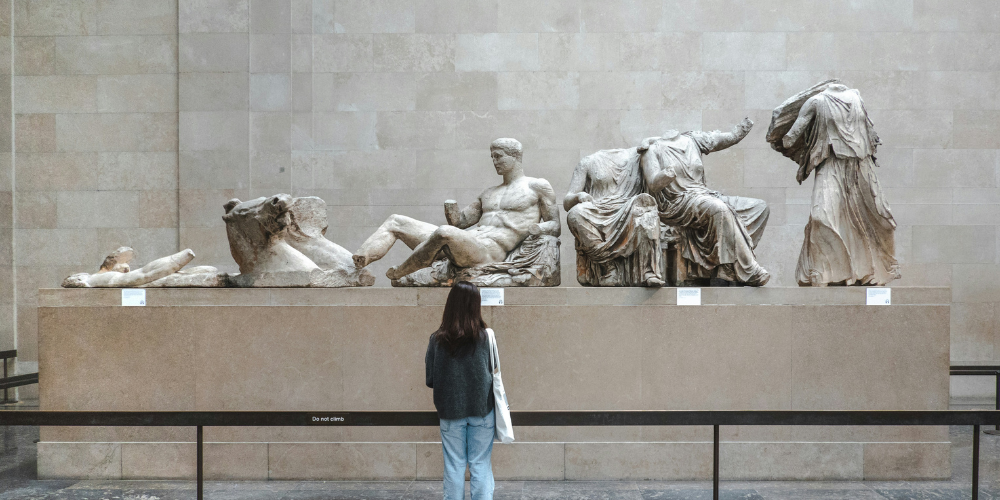
The British Museum in London offers access to global history through original artefacts. Exhibits support topics familiar to many children while adding physical presence and detail. The experience complements learning at home by placing abstract ideas in front of them.
In Edinburgh, the National Museum of Scotland traces history from early settlement to modern industry. Its chronological layout helps children place events in sequence, while interactive elements encourage comparison rather than memorisation.
The Museum of London focuses on the story of one city across time. Trails and activity stations break complex history into manageable sections, allowing families to explore Roman, medieval, and modern London within a single visit.
The Jorvik Viking Centre in York uses reconstruction to place visitors inside a historical setting. Sound, movement, and visual detail help children understand Viking life in ways that extend beyond written sources.
Special Homeschool Sessions and Resources
Many museums now offer sessions designed specifically for families who learn outside school settings. These sessions often provide quieter access, flexible pacing, and time for discussion and observation, with home educator museum sessions reflecting how cultural venues adapt to non-classroom learning without imposing rigid structure.
At the British Museum, bookable workshops focus on defined historical themes and suit a range of age groups. The National Museum of Scotland hosts regular homeschool days during term time, offering guided access to collections that are usually explored independently.
The Museum of London provides downloadable resources that families can use before or after visits. These materials help link museum experiences with ongoing projects at home.
Across the sector, group pricing makes regular visits more realistic. Informal homeschool collectives often benefit from school-rate access while maintaining flexibility.
Science and Discovery Centres for Hands-on Learning
Science centres encourage learning through observation and experimentation. These environments suit children who learn best through movement and direct interaction, offering space to test ideas, notice patterns, and engage physically with scientific concepts.
The Science Museum in London supports exploration through interactive galleries such as Wonderlab, where activities focus on cause and effect and allow families to explore at a calmer pace. Across the country, the UK science centres network reflects how hands-on discovery spaces operate outside formal classroom structures, supporting informal learning through shared experience.
The National Space Centre in Leicester presents large-scale scientific ideas through exhibits on physics and space exploration. We The Curious in Bristol encourages investigation, inviting children to test ideas and record outcomes across a range of STEM activities.
Dynamic Earth in Edinburgh approaches science through narrative, guiding visitors through geological time using physical displays and experiments that support understanding of climate and formation.
Curriculum-Aligned Workshops and Demonstrations
Workshops add structure without removing flexibility. Sessions often focus on specific themes while leaving room for curiosity and discussion.
The Science Museum offers demonstrations linked to broad science topics such as materials, forces, and energy. The National Space Centre runs sessions where children build, test, and observe, supporting problem-solving and collaboration.
We The Curious hosts laboratory sessions using real equipment, helping children develop practical investigation skills. Within this wider landscape, a clearly defined Homeschool curriculum helps families decide when structured sessions add value and when open exploration is more effective.
Historic Sites That Transform History Lessons
Historic sites provide scale and context that books alone cannot offer. Walking through preserved spaces helps children understand how people lived and worked in different periods, reinforcing learning through place.
Living History and Reenactment Events
Reenactment events add human detail to historic settings. English Heritage and National Trust properties host events throughout the year, featuring costumed interpreters who demonstrate period skills and daily life.
Hands-on workshops allow children to try historical crafts and tools, supporting learning through participation. Event calendars published in advance help families plan visits around topics they are already exploring, with programming often changing seasonally.
The Tower of London offers structured trails linked to age groups, while Stonehenge introduces prehistoric Britain through demonstrations using replica tools. The Roman Baths in Bath combine preserved structures with live interpretation, and Beamish Open Air Museum allows children to compare routines across different historical periods, with historical reenactment events UK providing additional opportunities to experience the past through direct participation.
Planning Curriculum-Aligned Museum Visits
Preparation improves museum visits without turning them into lessons. Many venues outline learning connections online, helping families choose focus areas before arriving.
Some sites offer additional materials or group rates for homeschool families. Brief introductions before visits help children recognise themes on site, while facilitated museum visits UK allow families to structure time and access support without turning outings into formal lessons.
Maximising Learning Value on a Budget
Many national museums in England offer free entry, and regional museums often keep admission costs low. Membership schemes with organisations such as English Heritage or the National Trust can reduce costs for families planning multiple visits.
Museums frequently provide online materials that extend visits without additional expense. Self-guided visits remain effective when families focus on selected areas, allowing children to engage more deeply without becoming overwhelmed.
Family learning outside traditional classrooms works best when experiences add context rather than pressure. Museums, science centres, and historic sites provide spaces where curiosity develops naturally and learning remains shared. When visits are planned with intention but left open to exploration, families gain both structure and freedom. Over time, these experiences shape understanding in ways that feel grounded, accessible, and sustainable.