Advertisement feature
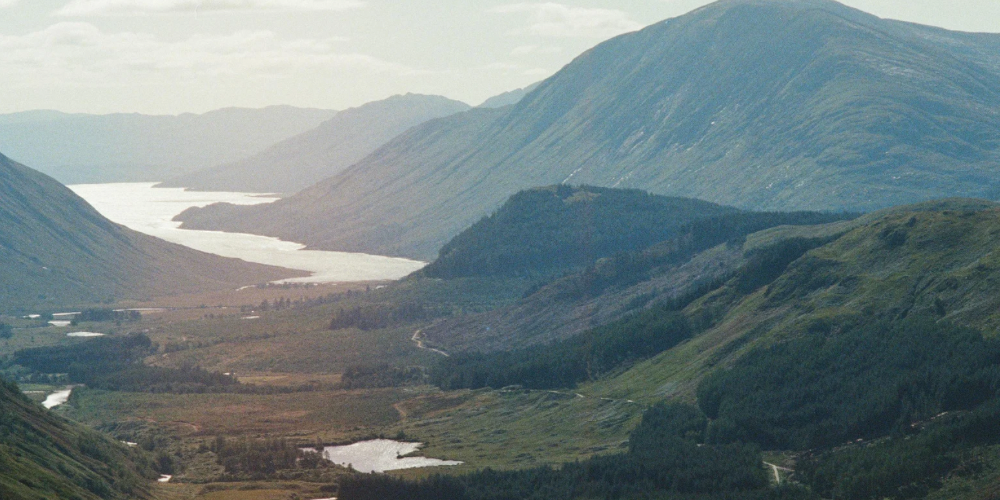
The Scottish Highlands offer some of the most breathtaking driving routes in the world. With rugged mountains, ancient castles, pristine lochs, and winding coastal roads, this region delivers an unforgettable experience for anyone seeking adventure behind the wheel. Whether you’re planning a weekend escape or an extended tour, the Highlands provide dramatic scenery at every turn and countless opportunities to explore Scotland’s rich heritage.
Planning a road trip through remote Highland areas requires more than just choosing the right route. The sparse network of service stations and repair shops means your vehicle needs to be in top condition before you set off. This guide covers the best routes to take, essential stops along the way, and practical advice on preparing your car for the journey ahead.
Top Road Trip Routes in the Scottish Highlands
1. The North Coast 500
Often called Scotland’s answer to Route 66, the North Coast 500 is a 516-mile circular route that starts and ends in Inverness. This spectacular drive takes you along the northern coastline, through charming fishing villages, past dramatic cliffs, and across wild moorlands. The route includes stops at Dunrobin Castle, the white sandy beaches of Achmelvich, and the historic town of Ullapool.
The journey typically takes five to seven days to complete properly, allowing time to stop at viewpoints, explore hiking trails, and visit local attractions. Accommodation options range from luxury hotels to cosy bed and breakfasts, though booking ahead is essential during peak season.
2. The Isle of Skye Circuit
Crossing the Skye Bridge from Kyle of Lochalsh, this route explores one of Scotland’s most iconic islands. The circular route around Skye takes you past the distinctive peaks of the Cuillin Mountains, the dramatic rock formations at the Old Man of Storr, and the fairy pools near Glen Brittle. The journey covers roughly 80 miles but deserves at least two full days to appreciate the stunning landscapes.
Portree serves as an excellent base, offering restaurants, shops, and harbour views. The single-track roads require patience and courtesy when passing other vehicles, but the scenery more than compensates for the slower pace.
3. Glen Coe and Fort William Loop
This shorter route covers approximately 100 miles and can be completed in a long day, though staying overnight allows for better exploration. Starting from Fort William, Britain’s outdoor capital, the route heads south through Glen Coe, one of Scotland’s most famous valleys. The dramatic mountain scenery here has featured in numerous films and provides countless photo opportunities.
The route continues past Loch Leven and through the village of Glencoe before looping back via the scenic Corran Ferry. Fort William itself offers various accommodation options and serves as a gateway to Ben Nevis, Britain’s highest mountain.
Preparing Your Vehicle for Highland Roads
Highland roads can be challenging, with many single-track sections, steep gradients, and long distances between service stations. Proper vehicle preparation prevents breakdowns in remote areas where help may be hours away. Before departing, conduct a thorough check of all essential systems.
Essential Fluid Checks
Engine oil sits at the top of the priority list. Check the oil level using the dipstick and top up if needed. The demanding nature of Highland driving, with frequent gear changes on hills and sustained periods of engine use, places extra stress on lubricating systems. Using the correct oil grade for your specific vehicle ensures optimal performance and prevents engine damage.
AUTODOC Tip: Only use the exact oil type recommended by the vehicle manufacturer to ensure proper lubrication and compliance with standards. It is not a good idea to use more advanced oils in a very old engine that has not been designed for this.
Several reputable brands offer quality motor oils suitable for various engine types. Mannol produces a comprehensive range of synthetic and mineral oils covering most vehicle specifications. Ridex offers excellent value options that meet industry standards for modern engines. Castrol and Mobil remain popular choices among drivers who prioritise proven performance, while Shell Helix provides reliable protection across different driving conditions.
Other critical fluids deserve attention, too. Coolant levels should be checked and topped up to prevent overheating, particularly important when climbing steep Highland passes. Brake fluid, power steering fluid, and windscreen washer fluid all require inspection. Scottish weather can be unpredictable, so ensuring your windscreen washers work properly helps maintain visibility during sudden rain showers.
For those needing spare parts or fluids before their journey,
Buycarparts provides information about many car spare parts that may prove useful during preparation.
Additional Vehicle Preparation
Tyre condition becomes particularly important on Highland roads. Check the tread depth exceeds the legal minimum of 1.6mm, though 3mm provides better grip in wet conditions. Inspect for cuts, bulges, or uneven wear patterns. Verify that your spare wheel, if fitted, holds proper pressure and that you have the necessary tools for changing a wheel.
Battery health matters more in remote areas where a breakdown could strand you for hours. Most garages can test battery condition free of charge. Consider replacing batteries older than five years before embarking on extended tours.
Essential Equipment to Pack
Remote Highland areas require additional emergency equipment beyond standard roadside kits. The following table outlines recommended items for your journey:
| Item | Purpose | Priority |
| Spare engine oil (1 litre) | Top up if the warning light appears | Essential |
| Coolant | Prevents overheating on long climbs | Essential |
| Jump leads or battery pack | Start the vehicle if the battery fails | Essential |
| First aid kit | Treat minor injuries in remote areas | Essential |
| Warning triangle | Alert other drivers if broken down | Important |
| Torch with spare batteries | Essential for checks in poor light | Important |
| Basic tool kit | Simple roadside repairs | Recommended |
| Warm blankets | Stay warm if stranded | Recommended |
Mobile phone coverage remains patchy across many Highland areas. Download offline maps before departure and inform someone of your planned route and expected arrival times. A physical road atlas provides backup navigation if electronic devices fail.
Best Times to Visit
Summer months from June to August offer the longest daylight hours and generally better weather, though they also attract the largest crowds. Accommodation prices peak during this period, and popular routes can feel busy. Late spring (May) and early autumn (September) provide excellent alternatives, with fewer visitors and often settled weather conditions.
Winter driving requires additional caution. Snow and ice affect many Highland roads from November through March, and some mountain passes close entirely. However, winter visits reward prepared travellers with dramatic landscapes, clear visibility, and minimal traffic. Check weather forecasts and road conditions daily during winter journeys.
Accommodation Recommendations
Highland accommodation ranges from luxury hotels to simple campsites. Booking ahead proves essential during peak months, particularly for popular locations along the North Coast 500. Many small villages offer excellent bed and breakfast options that provide local knowledge and hearty Scottish breakfasts.
Self-catering cottages suit longer stays, especially for families or groups. These properties often occupy stunning locations and allow flexible meal times. Wild camping is permitted in many areas under Scottish access rights, though campers must follow the outdoor access code and leave no trace.
Frequently Asked Questions
How far in advance should I book accommodation?
For summer visits (June to August), book at least three to four months ahead, particularly for popular routes like the North Coast 500 or Isle of Skye. Accommodation fills quickly during school holidays and local events. Spring and autumn trips require less advance booking, though popular locations still benefit from reservations made several weeks ahead. Winter visitors typically find more availability, though some establishments close during quieter months.
What should I do if my vehicle breaks down in a remote area?
Move the vehicle safely off the road if possible and switch on hazard lights. Place a warning triangle at least 45 metres behind the vehicle. Contact your breakdown service and provide your exact location using what3words coordinates or nearby landmarks. If waiting for assistance, stay with your vehicle unless seeking help from nearby properties. Keep warm using blankets from your emergency kit and stay visible to passing traffic. Mobile coverage may be limited, so walk to higher ground if needed to establish a signal.
Are single-track roads difficult to drive?
Single-track roads require courtesy and patience rather than advanced driving skills. Watch for passing places marked by white diamond signs and pull in when you see oncoming traffic. If a vehicle behind wants to overtake, use a passing place to let them through. Drive slowly and stay alert for sheep, deer, or other wildlife on the road. Most importantly, take your time and enjoy the scenery. The slower pace is part of the Highland experience and allows you to appreciate the surroundings properly.