Advertisement Feature
“Big 5” was a term coined by big game hunters and referred to the five most difficult animals to hunt while on foot In Africa namely lion, leopard, elephant, buffalo and rhino.
Today, it represents the dream experience of every safari goer who ventures into the raw and untamed wilderness of Africa in their quest to spot these five iconic animals.
One of the best places to see the Big 5 is unarguably in Tanzania, where visitors get a unique opportunity to see these majestic animals in their natural habitats.
How to see the Big 5?
That said, spotting all the Big 5 requires careful planning, strategy as well as a bit of luck. Go with a specialized guide as they are experienced about animal behaviour and patterns, which can be the key to successful sightings.
To boost your chances, consider booking a curated Big 5 Tanzania safari tours package offered by many mid-range and luxury lodges that cover all the prime locations. A 5-7 day itinerary across multiple parks can increase your chances of seeing all five of them in these three top destinations detailed below.
Serengeti National Park
Apart from being one of the best wildlife destination in Africa, the legendary Serengeti National Park is also considered as a great place to see the Big 5 because of abundant prey available in the vast savannah ecosystem.
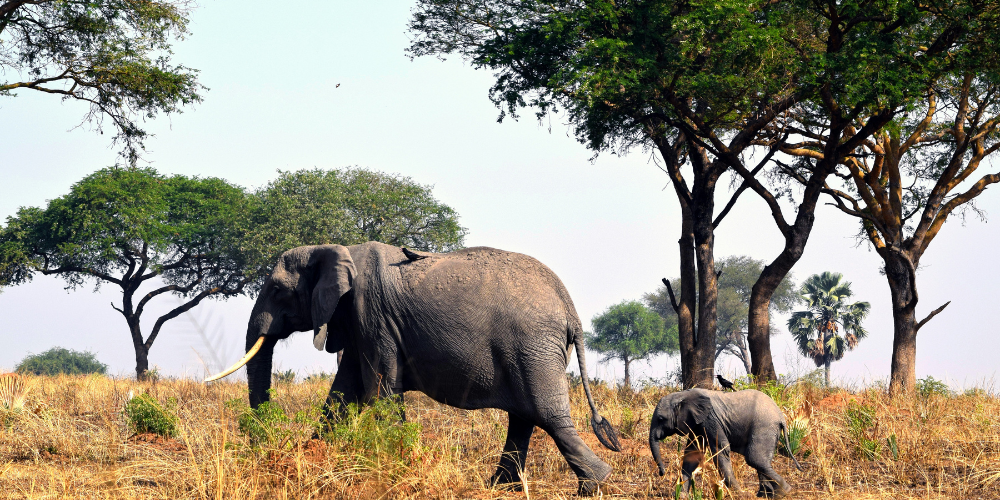
Since the lion and elephant population in Serengeti is sizable, you are more or less certain to see these animals, especially in the Seronera Valley, which is surrounded to be prime lion habitat, while elephants can be seen against the backdrop of the savannah.
Leopards are a bit elusive, but can still be seen resting on trees or prowling through the green grass. Rhinos are extremely rare to spot as they have been extensively poached. Still there are a few individuals in the Moru Kopjes area.
Ngorongoro Conservation Area
Another unique designation to spot the Big 5 in Tanzania is the UNESCO listed World Heritage Site of Ngorongoro Crater, the oldest extinct caldera on earth, that provides a natural enclosure for a diverse range of other wildlife species as well.
Lions can often be seen lounging under the trees on the crater floor, while leopards can be seen in the surrounding highlands. Though not in large herds, elephants can be easily spotted on the vast plains.
The crater floor also offers excellent sightings of large herds of buffalo and is also one of the few places in the country where there is more than a decent chance of seeing both white and black rhinos in their natural environment as these endangered species are closely monitored and protected here.
Moreover, the crater holds an estimated population of about 25,000 animals, which makes splendid viewings almost guaranteed. Also the views from the crater’s rim are unparalleled as they over scenic views of the open savannah, including a soda lake which is home to a large colony of flamingos.
Another unique feature of this park which makes sighting of the Big 5 practically guaranteed is the enclosed environment which ensures that the animals remain within the crater and offer exceptional viewing and photo opportunities.
Tarangire National Park
Often underestimated over its two famous neighbours, the Tarangire National Park is a true hidden gem for wildlife enthusiasts, as besides the Big 5 it holds one of the largest concentrations of wild elephants in Africa as well as diverse bird species.
In Tarangire it has become common to see lions in the park’s open grasslands which is perfect if you want to photograph these majestic animals, either resting or even hunting.
Leopards in Tarangire are a bit elusive but many sightings have been reported from the riverine forests area. Elephants can be found in abundance here and as stated above this is the place to spot these gentle giants in the whole of Tanzania.
Large buffalo herds are present in Tarangire and can be usually seen near the waterholes, mingling with elephant herds. Rhinos too are normally seen in Tarangire, but not as often as in other areas.
The park’s scenic landscape is dotted with ancient baobab trees and riverine forests and offer excellent opportunities for wildlife photography. With over 550 bird species recorded here, Tarangire is a top destination for birding anywhere in Tanzania.
Lake Manyara National Park
Lake Manyara is known for its diverse ecosystem which includes dense forests, vast open plains and a soda lake and a unique opportunity to see the Big 5 in a varied landscape.
Technically Manyara is home to the Big 5, but leopard and rhino sightings are a rarity. Therefore, you need some patience and luck to spot these two animals.
The speciality about this park are the tree-climbing lions which have developed a unique behaviour of climbing acacia trees and resting on them. This provides a rare and captivating sight, not to be found anywhere in Tanzania.
Buffalo herds are quite common and you can see large numbers of these animals grazing on the plains while exploring the park.
Elephants can be found in abundance in the park, especially during the dry summer months around the waterholes adjoining the woodlands.
The alkaline lake inside the park is a virtual mecca for a multitude species of birds, mainly large flocks of flamingos, storks and pelicans which flock here to feed on the lake.
Ruaha National Park
Ruaha is a hidden gem for nature lovers as it is not only remote and unspoilt, it holds a high concentration of wildlife as well.
Highlights of the park are its significant lion population with some of the largest prides to be found anywhere in Africa.
The Ruaha river runs against the backdrop of rugged hills where visitors can spot large herds of elephants, a healthy population of leopard, cheetah, buffalo and numerous species of antelope.
Apart from serving as a critical park for lion conservation, the varied landscape studded with baobab trees which attract abundant wildlife.
To find things to do across the UK, head to our Great Days Out UK homepage.